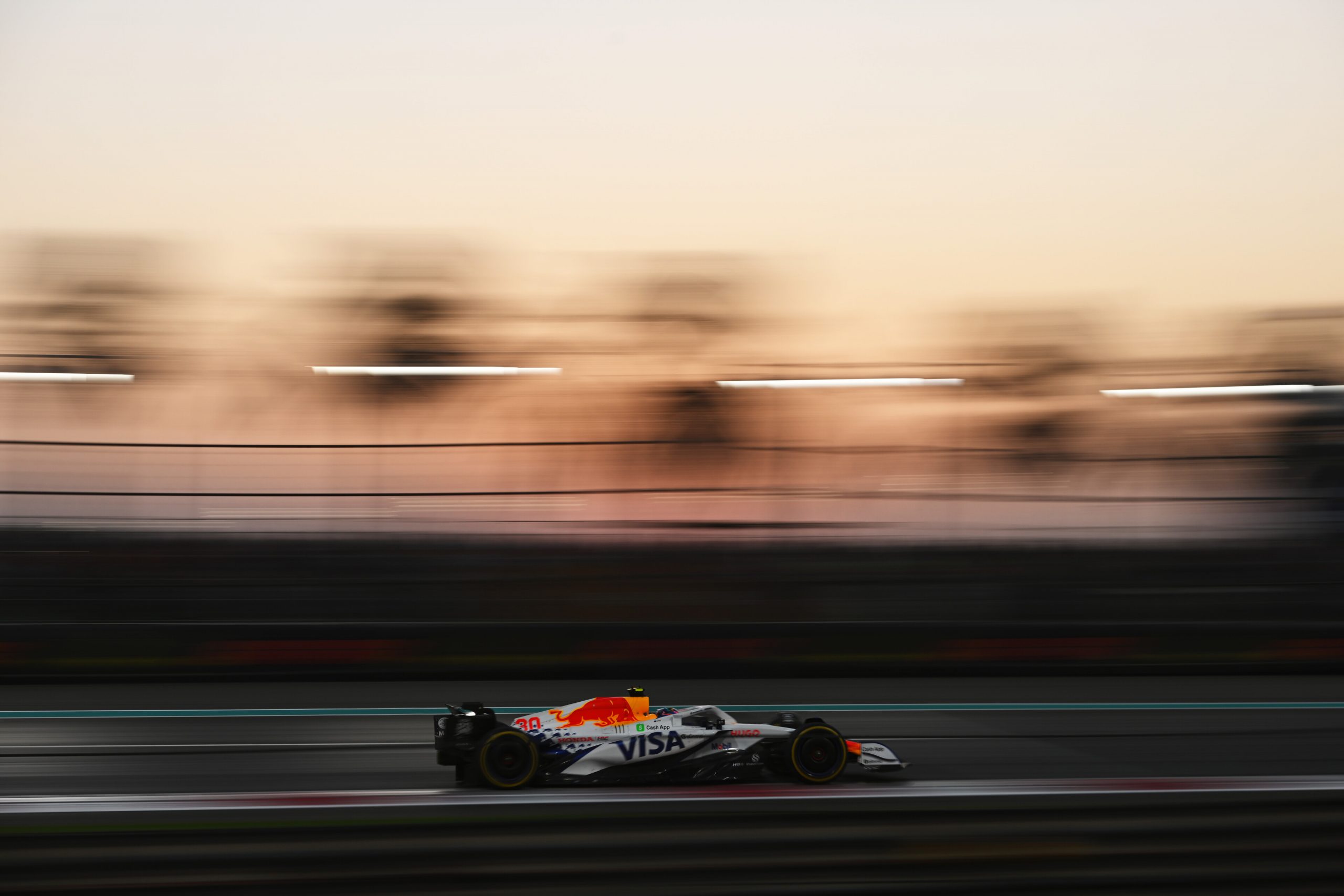
Toto Wolff once remarked after the controversial 2021 Abu Dhabi Grand Prix that “the stopwatch never lies.” Yet while lap times may reveal raw speed, they don’t tell the full story of what it takes to build — and sustain — a career in motorsports.
Anyone who has followed racing for long enough, or even scrolled through social media, will have seen the stories: talented drivers fighting to keep their dreams of a career in motorsports alive, often stalled not by a lack of pace but by a lack of funding.
For every Lance Stroll, backed by significant resources, there are countless others across the globe pouring in their time, effort, and personal finances just to earn a shot at the pinnacle of motorsport: Formula 1.
But how much does it really cost to break into that exclusive club — and what does it take to stay there long enough to become a World Champion?

Instances Where A Lack Of Funding Threaten Racing Careers
Let face it: Money talks in F1 and it shapes the road to get there too. With only 20 seats available, countless drivers see their dreams threatened when funding runs dry.
Daniel Woodroof
Malaysian driver Daniel Woodroof discovered karting on a family outing and was instantly hooked. His father enrolled him in an academy and soon he was competing in karting and single-seater championships.
Woodroof’s achievements included winning the Malaysian Karting Championship (Junior) in 2011, representing Malaysia at the Rotax Max Challenge World Finals in 2012, and claiming back-to-back Formula BMW Asia titles in 2013 and 2014.
He also joined driver development programmes with McLaren and Porsche, but despite his talent, the escalating costs of racing eventually forced him to step away. His last stint in motorsports was competing in Formula 3 until he was 18.
“I was extremely privileged to have my father afford go-karts and Formula BMW. The Formula BMW championship was specifically crafted for drivers on a shoestring budget to race.” — Daniel Woodroof, Former Racing Driver
Today, Woodroof channels his competitive spirit into a different arena. He is the co-founder of Pandan Social, a full-service digital marketing agency that brings together strategists, creatives, and analysts to help brands thrive in the fast-paced world of social media.
Zak O’ Sullivan
Zak O’Sullivan graduated to Formula 2 in 2024 with ART Grand Prix after finishing runner‑up in Formula 3. Despite claiming two victories in his rookie season, the Williams junior was forced to withdraw from the championship due to funding constraints.
He admitted the decision was far from easy, pointing to the notoriously high costs of competing in Formula 2 — a burden that proved overwhelming even with the support of a driver academy.
“Unfortunately in our sport, there are more factors at play than just the stopwatch. The simple issue comes down to funding, I won’t be able to complete this F2 season with ART GP.” — Zak O’ Sullivan, Former Formula 2 Driver
Luckily, the former Williams Racing Academy Driver found a new path. He secured a full-time for deal for 2025 with Kondo Racing in Japan’s Super Formula, widely regarded as the pinnacle of Asian motorsport.
Abbi Pulling
Climbing up the motorsports ladder hasn’t been easy for the 22‑year‑old from Lincolnshire. Like many aspiring drivers, Abbi Pulling admitted that securing consistent funding and sponsorship was the biggest barrier to her progression.
In an interview with F1’s Lawrence Baretto on the F1 Academy YouTube channel, Pulling recalled how financial pressures forced her to end her F4 campaign early in 2021.
Even after earning her place in F1 Academy, she understood the urgency of the moment. With only a limited window to prove herself during her two‑year stint, Pulling knew she had to seize the opportunity before the funding gap closed her path for good.
“If I finished P2, I don’t know what I’d been doing. I could have potentially been stopping, I’d like to think not. But it’s the harsh reality of the sport and this is what we live in.” — Abbi Pulling, 2024 F1 Academy Champion
Fortunately, she clinched the F1 Academy title in 2024, earning a fully funded seat in the GB3 Championship for the 2025 season.
How Much It Cost To Go Racing?
No two racing careers follow the same path. To make things simple, let’s break down the costs into two main categories: the direct expenses of entering and competing in an event, and the additional components beyond entry fees that quickly add up.

Karting
Much of the foundation for a racing career can be traced back to karting. From car control to racecraft, almost every F1 driver credits the skills they learned in karts as the bedrock of their success.
No single karting championship guarantees entry into F1. Still, strong results in FIA‑sanctioned events — such as the CIK‑FIA World Karting Championship, European Karting Championship, or Rotax Max Challenge Grand Finals — build credibility. The aim is clear: attract sponsors and earn the chance to graduate into single‑seater racing.
Since there is no single path to progression, it’s difficult to pin down an exact figure for the cost of winning a major karting championship. Entry fees for FIA‑sanctioned events typically run into the low thousands of euros, but the expenses quickly escalate once you factor in equipment, team support, travel, and maintenance.
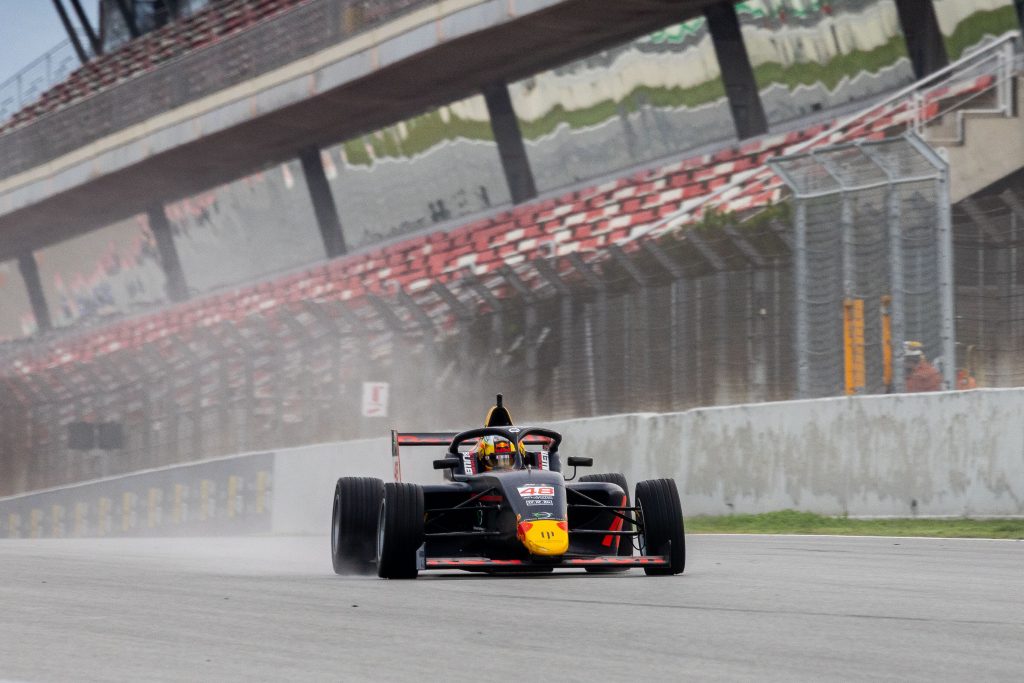
F4 (Or Regional Championships)
The reality of progressing up the motorsport ladder is more nuanced. Success in karting is usually sufficient to “graduate” into single-seaters, but only if a driver can attract financial backing.
Series like Formula 4 are the most common entry point, yet winning a regional F4 championship is not a prerequisite for moving up. As with karting, there is no fixed financial benchmark at this stage. Costs vary widely by championship, team, and geography.
A full season in the F4 United States Championship can cost up to US$195,000 in operational expenses, while competing in the Formula 4 South East Asia Championship typically requires around €100,000.
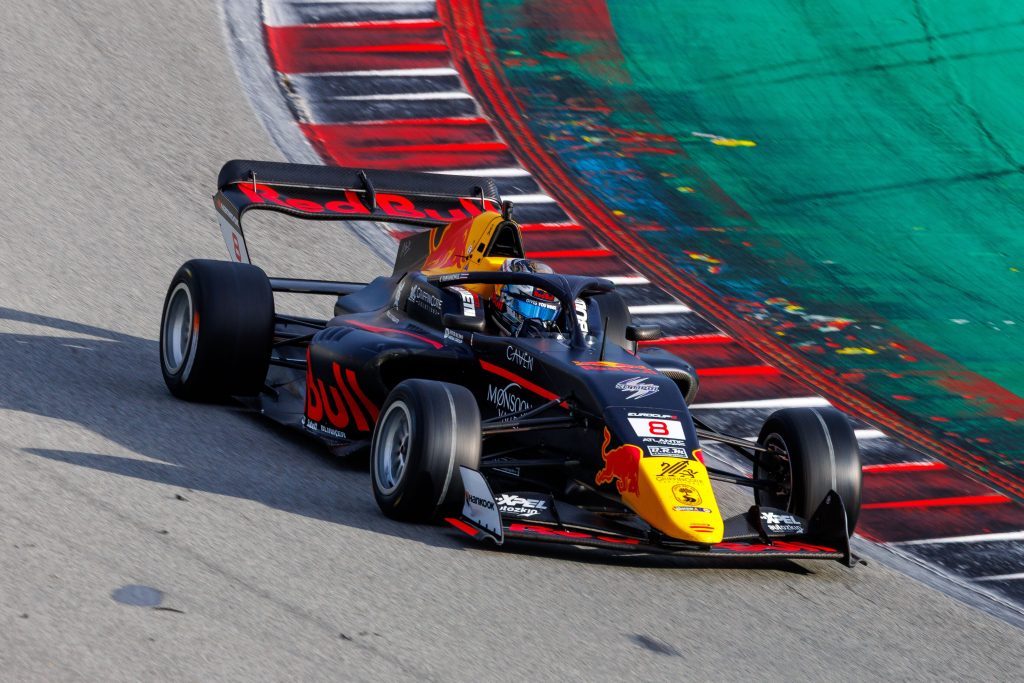
F3
From here, the pathway to F1 runs through the sport’s established feeder series: F3 and F2.
Estimates suggest that securing a competitive seat in F3 alone can require a budget of US$1.2 million or more per season. This figure covers the team’s core racing operations.
Plus, some drivers may remain in F3 for more than one season before moving up to F2.
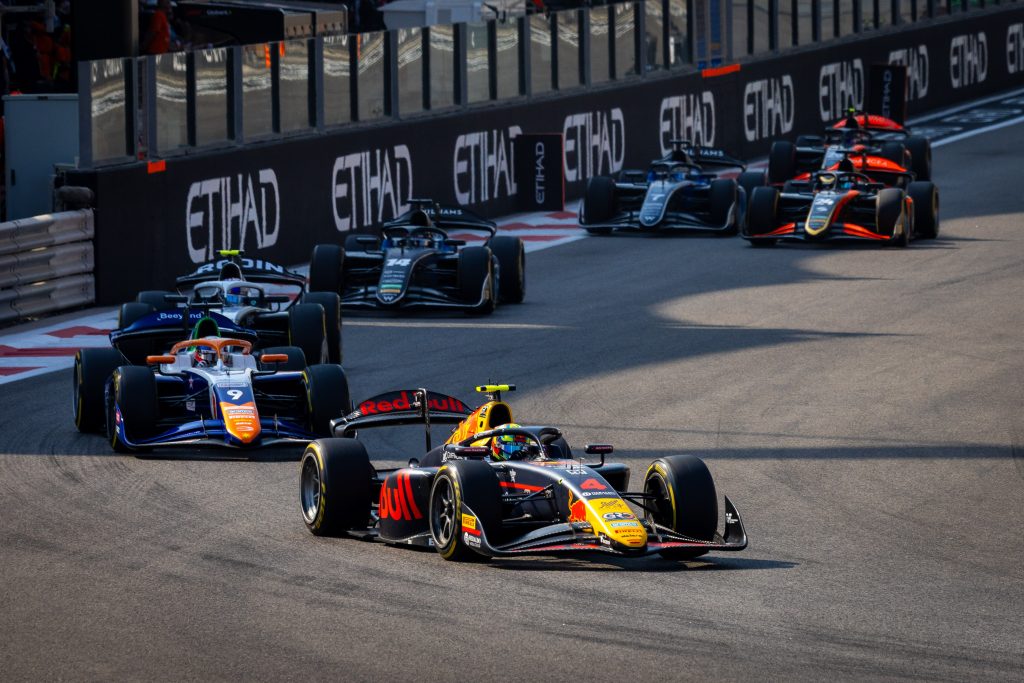
F2
In F2, teams — not drivers — pay the FIA entry fees required to compete each season. These fees are not publicly disclosed and may vary from year to year.
In practice, drivers secure their place on the grid by paying a seat fee to a team. This fee bundles all core costs, including the team’s FIA entry fee, car allocation, tyres, logistics, personnel, and race operations.
For context, an article in 2022 estimates that the total cost of competing in an F2 season can reach around US$3 million.
Worse, because of the limited number of seats in F1, winning the F2 championship does not guarantee promotion to the sport’s highest level.
F1
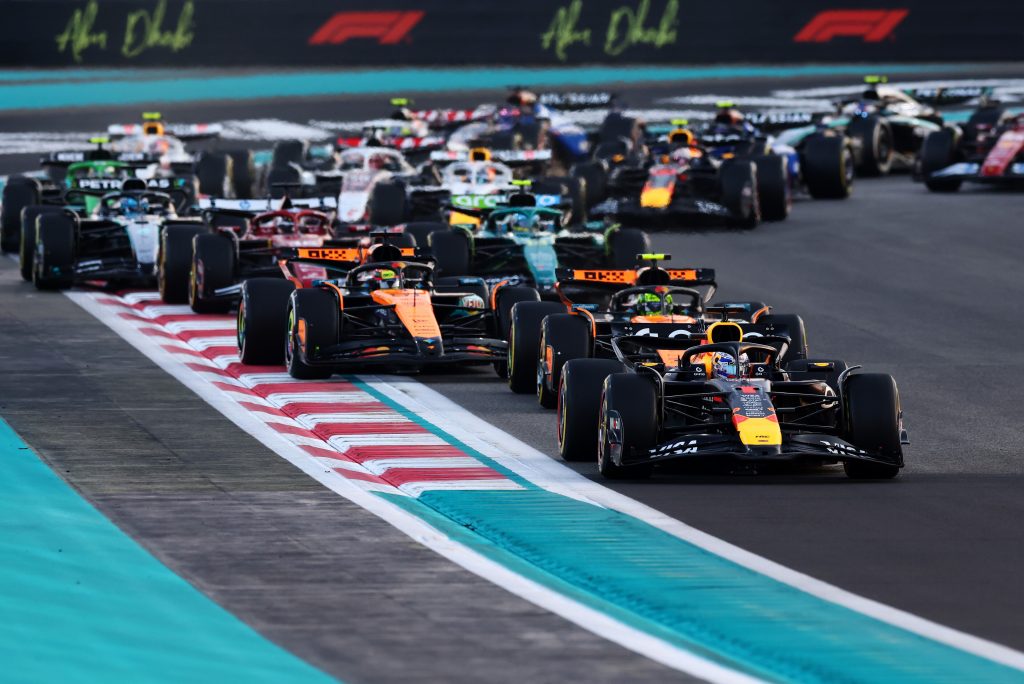
To compete in F1, teams pay the FIA a fee that consists of two components: a base entry fee and a variable component tied to the number of constructors’ championship points a team scored in the previous season.
Take Red Bull, for example. After a dominant 2024 campaign where the Milton Keynes–based team amassed 860 Constructors’ Championship points, Red Bull paid US$7,445,817 in entry fees to compete in the following season.
When a rookie enters the sport, however, the financial calculation shifts away from entry fees and toward the driver’s salary.
What About F1 Academy?
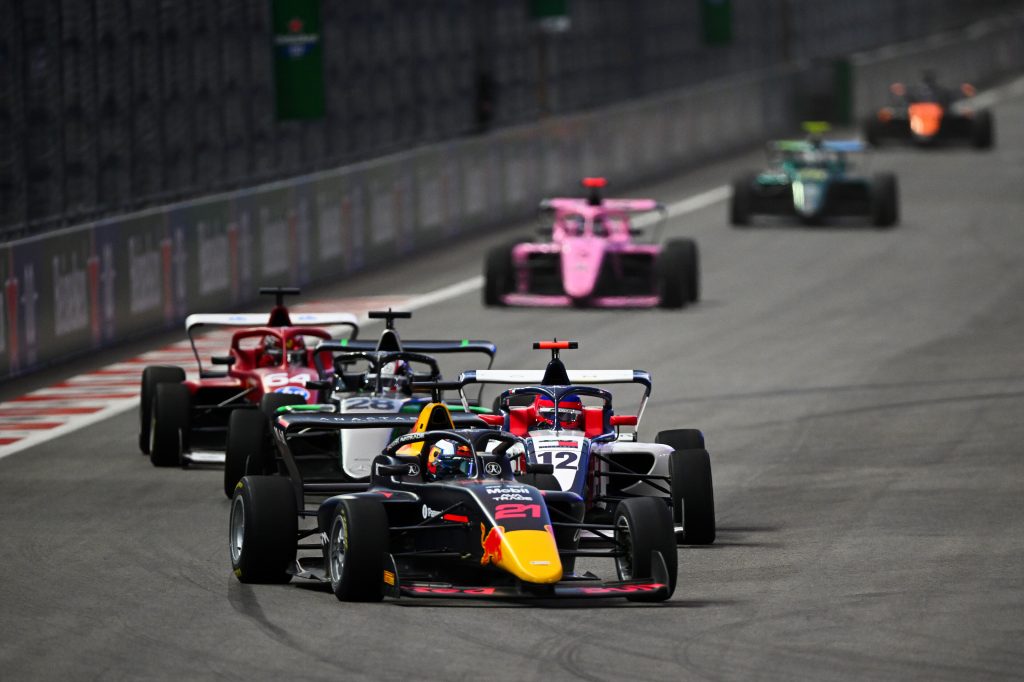
The pathway for women in motorsport mirrors that of men, but the opportunities are far fewer — and the numbers make that disparity clear.
According to a 2023 report by More Than Equal, women account for only around 10% of competitors across all categories. While female participation in karting stands at roughly 13%, that figure drops to just 7% in formula and GT racing.
F1 Academy was created to address this imbalance by lowering the barriers to building a sustainable career in motorsport.
Each season guarantees drivers access to competitive cars and professional teams, with the series subsidising participation for two years.
Crucially, F1 Academy races alongside the official F1 calendar, giving female drivers visibility on the sport’s biggest stage.
Other Costs To Consider (Apart From Entry Fees)
Of course, entry fees are only one part of the financial equation when it comes to competing in a racing series. A driver or team must also account for a wide range of additional expenses.
Car and equipment costs can include purchasing the race car itself, along with spare parts, replacement engines, chassis repairs, tires, fuel, and lubricants.
Teams and personnel add another layer of expense, covering mechanics, engineers, driver coaches or performance trainers, race crew, and logistics staff.
Travel and logistics are equally significant, from transporting cars and equipment to race venues to arranging flights and accommodation for the crew, plus customs and freight charges for international events.
Training and preparation also require investment in physical fitness programs, nutrition, and driver coaching.
Beyond that, licensing and insurance costs must be factored in, including FIA or national racing licenses, medical checks, and mandatory coverage.
Finally, marketing and sponsorship expenses — such as branding, promotional materials, and media commitments — play a crucial role in sustaining a racing career.

Conclusion
There is no one‑size‑fits‑all path to Formula 1. In rare cases of extraordinary talent, drivers can bypass certain categories and fast‑track their rise to the top — Max Verstappen and Kimi Antonelli being prime examples.
Yet, in a sport as political and commercially driven as F1, money often plays a decisive role in determining who secures one of just 20 coveted seats on the grid.
In that case, financial backing can open doors that raw ability alone cannot.
The same applies across other racing disciplines — from NASCAR to rallying, MotoGP, and beyond.
Just hear from George Palozzi, who left his engineering career in F1 to fulfill his mission to race in the 24 Hours of Le Mans and Daytona by 2030 with no financial backing:
The most difficult thing is being more creative about finance generation. It’s been so important to understand the business of motorsport, and very much understand that it’s a business more than a sport. Understanding how to generate value to a business in more creative ways, using motorsport as a vessel, as opposed to trying to “get money to follow my dream”. – George Palozzi
In regional series, the struggle to secure funding is often even more pronounced, as drivers face fewer support structures to help them source and sustain the necessary investment.
Still, raw talent and speed on track remain the qualities that truly set future champions apart. They can be the breakthrough that attracts the right attention, proving that while funding is essential, performance is what ultimately earns recognition.
**
Featured Image Credits: Red Bull Content Pool