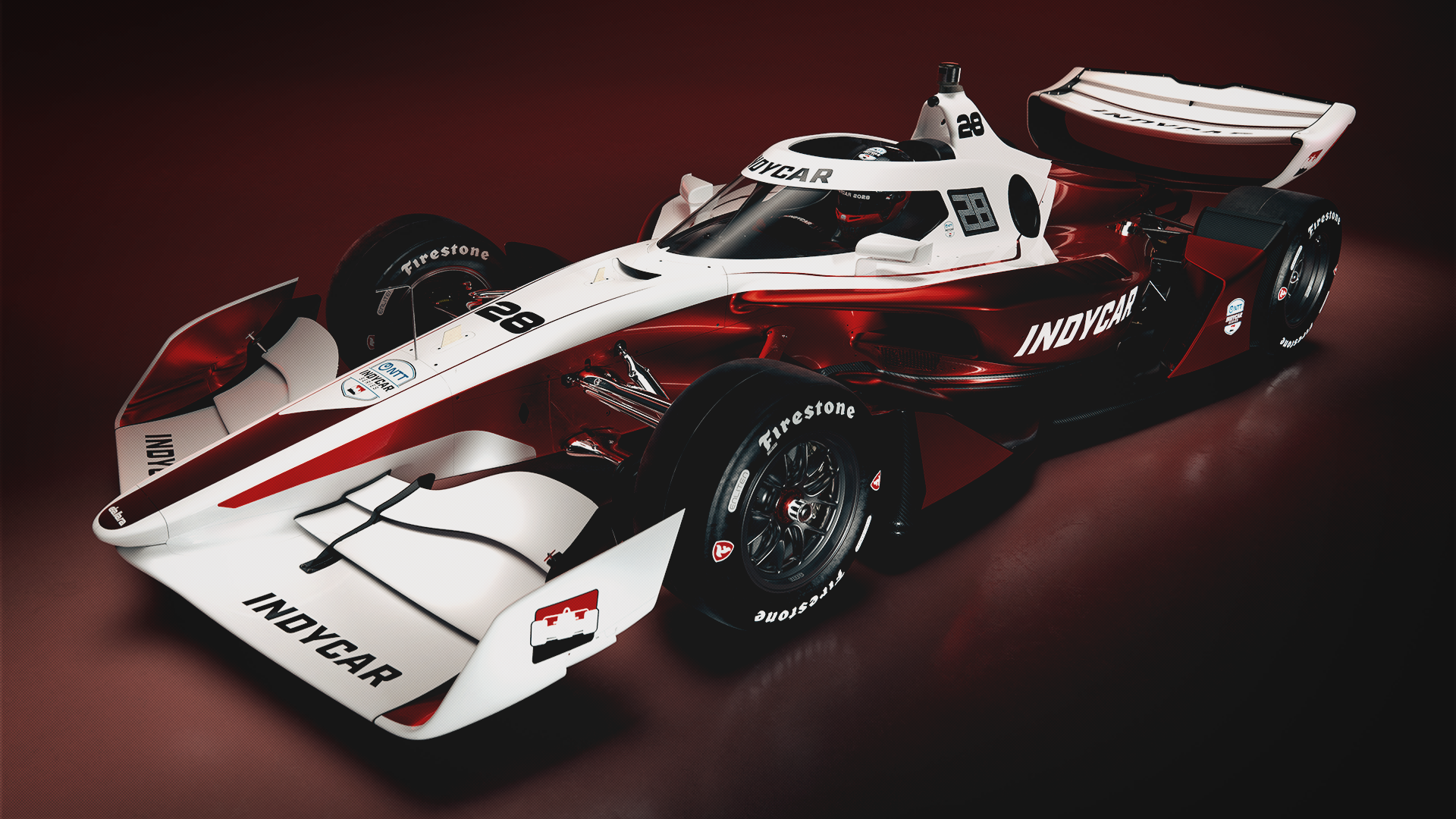
What if we told you that “The Fastest Racing on Earth” was just about to get even faster?
IndyCar has announced and revealed a new NTT IndyCar series chassis and powertrain package, the IR-28, that will be introduced in the 2028 season replacing the Dan Wheldon 12 (DW12). Not only are the cars set to have a more modernized look, they’re projected to bring more battles on track too. This should also improve the drivability while providing faster lap times and more high-speed action.
So, what changed?
IndyCar is already recognized as some of the fastest racing in the world. Because of that, it seems incomprehensible that the series is introducing a car that can push the limits even further. In order to achieve this, there were a plethora of upgrades added to the design of the car.
IndyCar President, J. Douglas Boles, stated that,
“As you can imagine, a project of this magnitude takes an incredible amount of planning, collaboration and execution.”
Considering that the car was completely built from the ground up, Boles’ remark seems like an understatement.
Both the front and rear wings have been completely re-designed in an effort to enhance their effectiveness. The street course car has been given more of an “aggressive stance” whereas the superspeedway wing has been designed differently. It is meant to optimize downforce ensuring that the drag is limited. Not only were these redesigned for functionality, but they were also made to look more stylish and sleek.
In an effort to make battles closer on track, the wake of the car has been modified for overtaking opportunities. While these additions are meant to amplify the speed and on track action, there were other adjustments put in place to support the safety and raceability of the IR-28 too.
How much power is too much power?
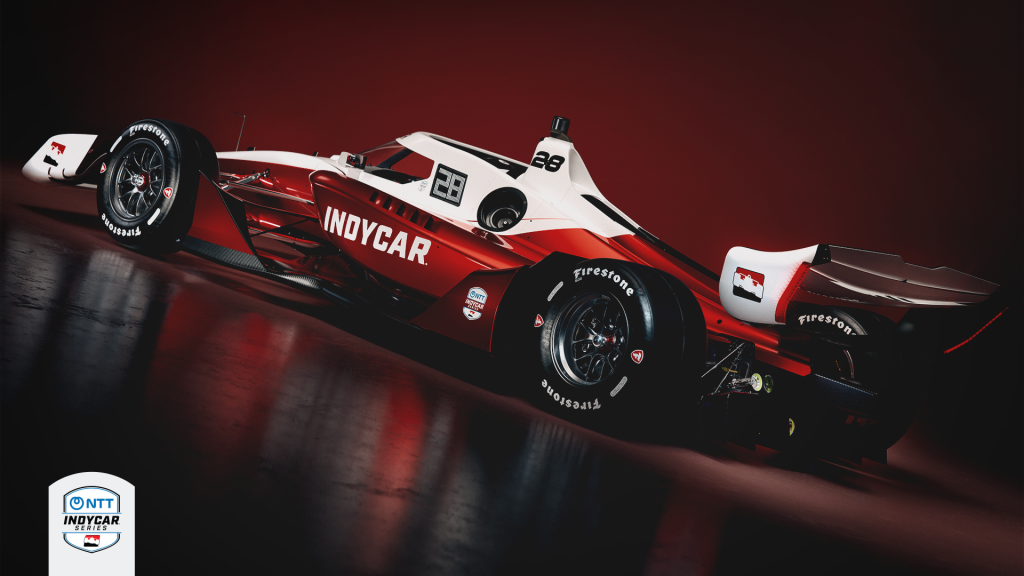
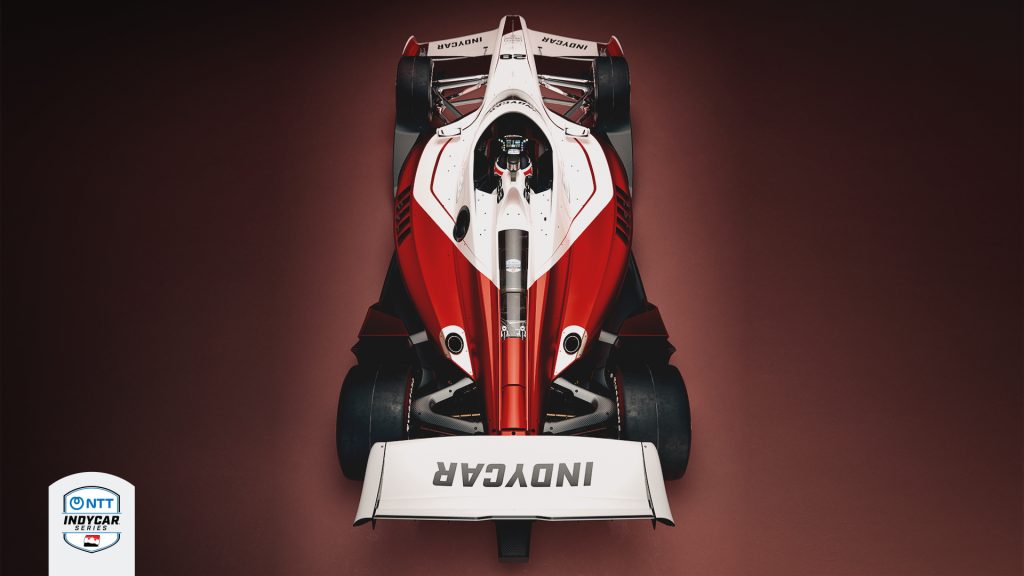
Both Chevrolet and Honda have committed to the new regulations. They will be delivering an increased overall performance for the IR-28. The Honda Racing Corporation USA President David Salters has stated that,
“IndyCar delivers some of the best racing on the planet, and this evolution of the formula creates new opportunities to enhance it.”
The low-voltage hybrid technology will be evolving in 2028 with a power storage that offers more deployment options for teams. Despite this, the package itself is 20 pounds (9KG) lighter than the current series power unit. The new hybrid model will also feature the first battery-based Energy Storage System (ESS) in IndyCar history which is set to deliver roughly 14 times the energy storage capacity that the current make does now. It will allow more flexibility with how and when the hybrid power gets deployed, while still maintaining the safety and raceability of the cars.
The theme for majority of these modifications seems to be amplifying the lightweight nature of the car, emphasising the sleekness of the design, and improving driver safety without minimizing the speed of the racing.
What do the drivers think of the IR-28?
Will Power, driver of the No.26 Dallara-Honda for Andretti Global had lots of positive feedback.
“IndyCar and Dallara have done an incredible job combining updated aerodynamic ideas with all of the safety elements from the current car. It has a seamless look and one that’s also modern and aggressive at the same time.“
This was high praise from the two time NTT IndyCar Champion. Tony Kanaan, Arrow McLaren’s Team Principal, also shared his thoughts around the unveiling of the IR-28.
“The car looks beautiful, futuristic and very impressive. Aerodynamically, it looks a lot quicker – and if it looks quicker, it’s going to be quicker.”
With Tony Kanaan being a former driver and past Indianapolis 500 champion, his expert opinion exudes excitement and sets an extremely optimistic tone for what the future of IndyCar holds.
Records are meant to be broken
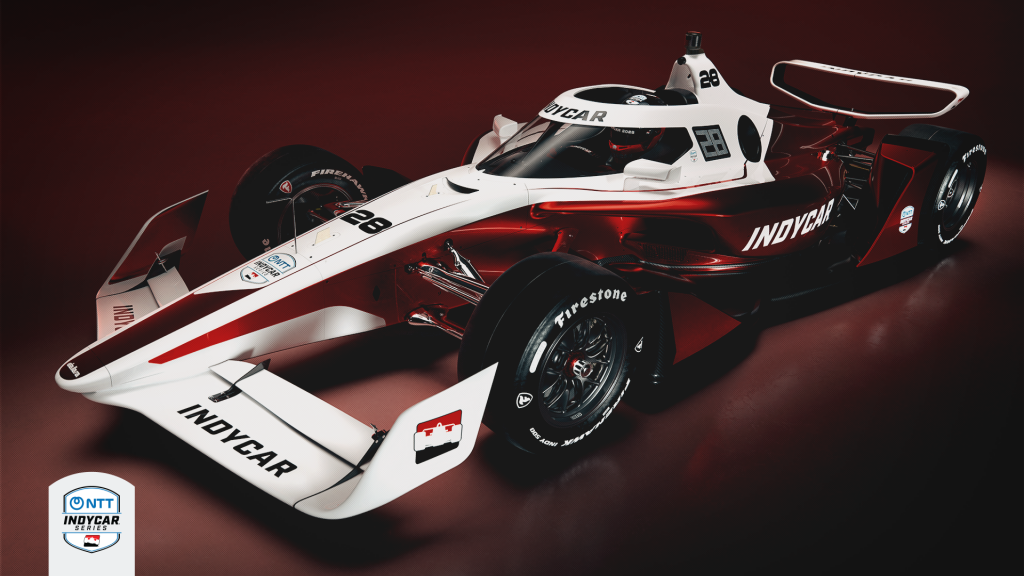
Now for the fun part. Of course all of these improvements are meant to increase the speed, but by how much? Based on the initial unveiling, the new IR-28 is set to exceed current lap times and will be capable of breaking circuit records. The last record set at the Indianapolis Motor Speedway was back in 1996 by Arie Luyendyk, yet the new 2028 cars are projected to be able to beat that.
With the car weighing an astounding 100 pounds (45KG) less than the current car, the power to weight ratio suggests that the increased speed and raceability should be substantial enough to break records and increase the wheel-to-wheel battles.
Although a venue and official test schedule has yet to be announced, testing is set to begin this week. It has been revealed though that the test schedule for the IR-28 will include a variety of circuits and layouts from Indianapolis Motor Speedway’s road course and famed oval to Sebring International Raceway and more.
The on-track work for the IR-28 is just getting started.
*
IndyCar returns August 9th in Portland.
Featured Image: Penske Entertainment