The 2025 F1 title fight is settled: Lando Norris crossed the line in Abu Dhabi to become the 35th driver crowned World Champion. Yet the question lingers — how different might the story of the F1 title fight have been without McLaren’s infamous Papaya Rules?
Heading into the season finale, three drivers — the F1 title fight was between Lando Norris, Oscar Piastri, and Max Verstappen — each with a mathematical shot of becoming champion of the world.
As the weekend progressed, speculation swirled within the paddock. The biggest one being whether McLaren would abandon its season-long stance of equal treatment among its drivers and impose team orders to help either of their drivers secure their maiden F1 title.
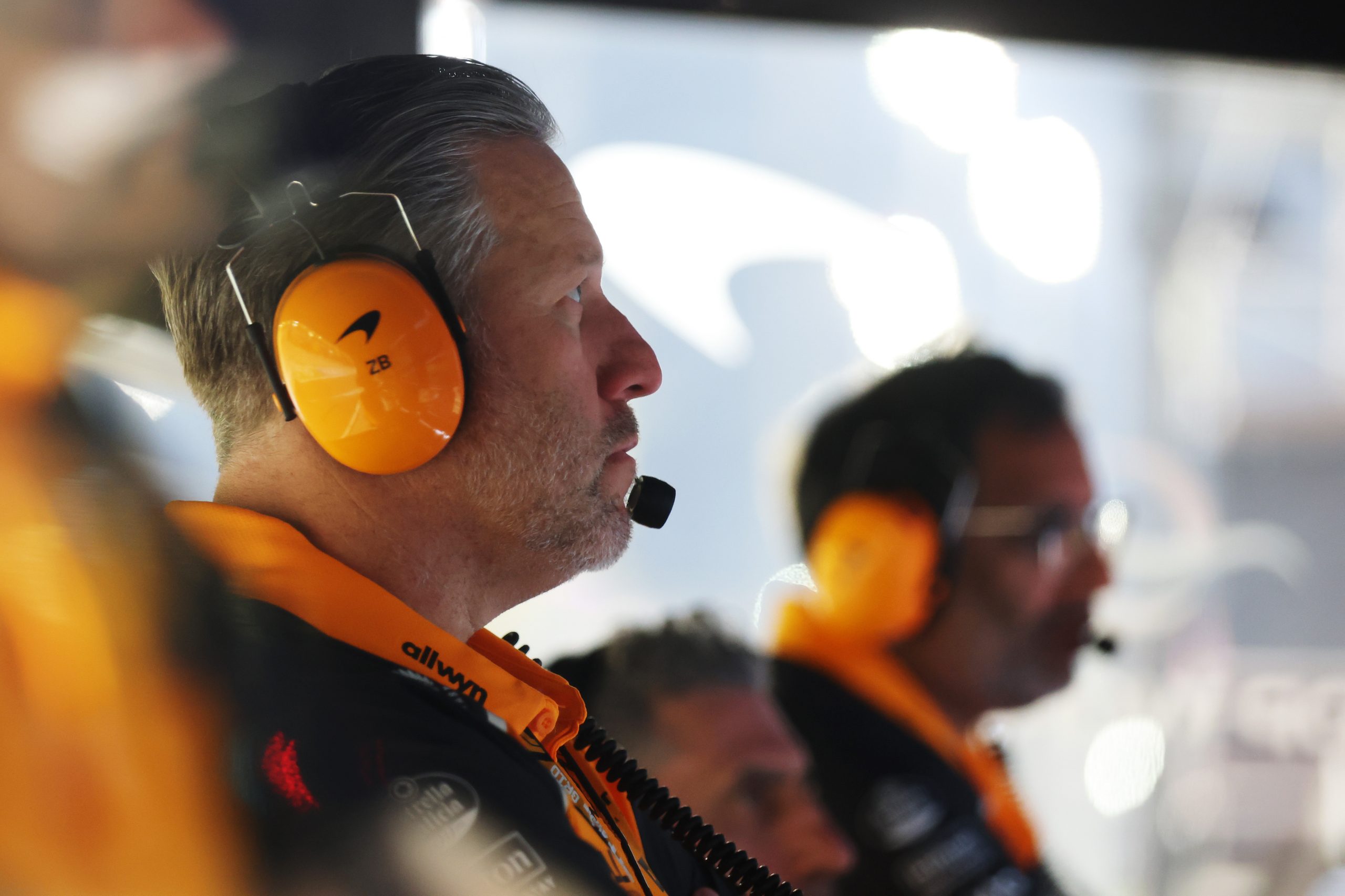
Zak Brown, McLaren Racing CEO, didn’t shy away from the possibility when asked by Sky Sports F1:
“Yes, of course. Yes, of course. We’re realistic. We want to win this Drivers’ Championship. We’re coming into the weekend knowing that they both have equal opportunity, even though there’s obviously a point spread.
You don’t know how Qualifying is going to go, reliability, but if we get into the race and it’s becoming pretty clear that one has a chance and the other doesn’t, we’re going to do what we can to win the Drivers’ Championship. It would be crazy not to.” — Zak Brown, CEO of McLaren Racing
In the end, a non dramatic season finale meant that Lando had a straightforward weekend and cruised into the third place to clinch his maiden crown — a result that sees him become McLaren’s first World Champion since Lewis Hamilton in 2008.
What Are The ‘Papaya Rules’?
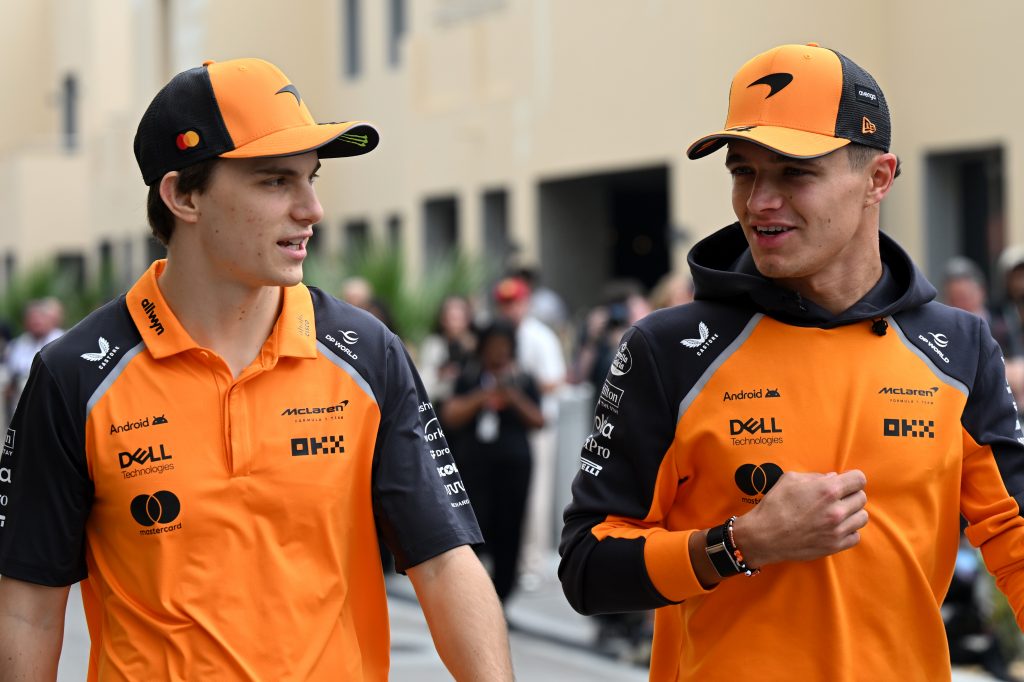
We’ve previously covered the Papaya Rules in our deep dive on team orders when this controversial rule became the focal point of the 2025 Monza Grand Prix.
To understand what the ‘Papaya Rules’ actually are, it’s worth revisiting Zak Brown’s reflections a year earlier, when both McLaren drivers found themselves wheel-to-wheel on the same circuit.
“Papaya rules are it’s your team mate; race him hard, race him clean, don’t touch, that happened. It was an aggressive pass so that’s a conversation we’ll have, that was a bit nerve wracking on the pit wall but it’s really just respect your team mate.” — Zak Brown, CEO of McLaren Racing
On paper, it’s simple: fairness, equality, and minimal interference. In practice, the approach is equally pragmatic.
After all, every point lost in an intra-team battle is a point handed to a rival. Plus, a strong constructors’ finish translates directly into prize money and technical investment, ultimately benefiting both drivers in the following season.
But the rule isn’t always as clear-cut as it sounds.
During Monza this year, Piastri was instructed to swap positions with Norris after losing time from a wheel-gun delay. A few races later in Singapore, McLaren opted not to intervene when Norris dived up the inside of Piastri on Lap 1.
This inconsistency is where the foundation of the Papaya Rules begins to show cracks. More importantly, the lack of defined boundaries can erode a driver’s confidence and sense of psychological safety.
Piastri himself has opened up about this on F1’s Beyond The Grid Podcast, stating how his performance in Monza had a knock-on effect on the following weekend in Baku:
Embed from Getty Images“Ultimately, a combination of quite a few things. Obviously, the race before that was Monza, which I didn’t feel was a particularly great weekend from my own performance. And there was obviously what happened with the pit stops.” — Oscar Piastri, F1’s Beyond The Grid Podcast
Does Team Harmony Matter When You’re In An F1 Title Fight?
Looking back at the 2025 season, it may seem strange that McLaren is insisting to put their hands on both drivers in a tense championship battle, but there is a reason behind their approach.
On another episode of F1’s Beyond The Grid podcast, Zak Brown and Team Principal Andrea Stella repeatedly emphasised that fairness between their drivers outweighed the final championship result.
“If Max is the champion at the end of the year, for us, the important thing is that we can say we have done our best and we have done our best according to the way we go racing. And if Max wins this year, we say we’re going to win next year, we’re going to be there and we are going to be united as we are. — Zak Brown
I’d rather go, we did the best we can on our drivers tied in points and the other beat us by one, than the alternative which is telling one of our drivers right now, when they’re one point away from each other, I know you have a dream to win the world championship but we flipped the coin and you don’t get to do it this year. Forget it.” — Andrea Stella
To their credit, McLaren has taken a firm and consistent stance, promoting sportsmanship and a shared code of conduct that both drivers and team personnel have agreed to uphold — even if it means giving up their chance in the championship.
Stella also points to how volatile intra-team rivalries can destabilise an organisation. Famous examples that come to mind include the likes of Hamilton and Alonso at McLaren in 2007, as well as Hamilton and Rosberg during Mercedes’ dominant era.
The Hamilton-Alonso rivalry, for example, fuelled intra-team clashes, radio disputes, and a collapse in internal cohesion. As both drivers became consumed with fighting each other, they left the door open for Ferrari’s Kimi Räikkönen to seize the 2007 Drivers’ Championship by a single point.
How Would The 2025 F1 Title Fight Change Without Papaya Rules?
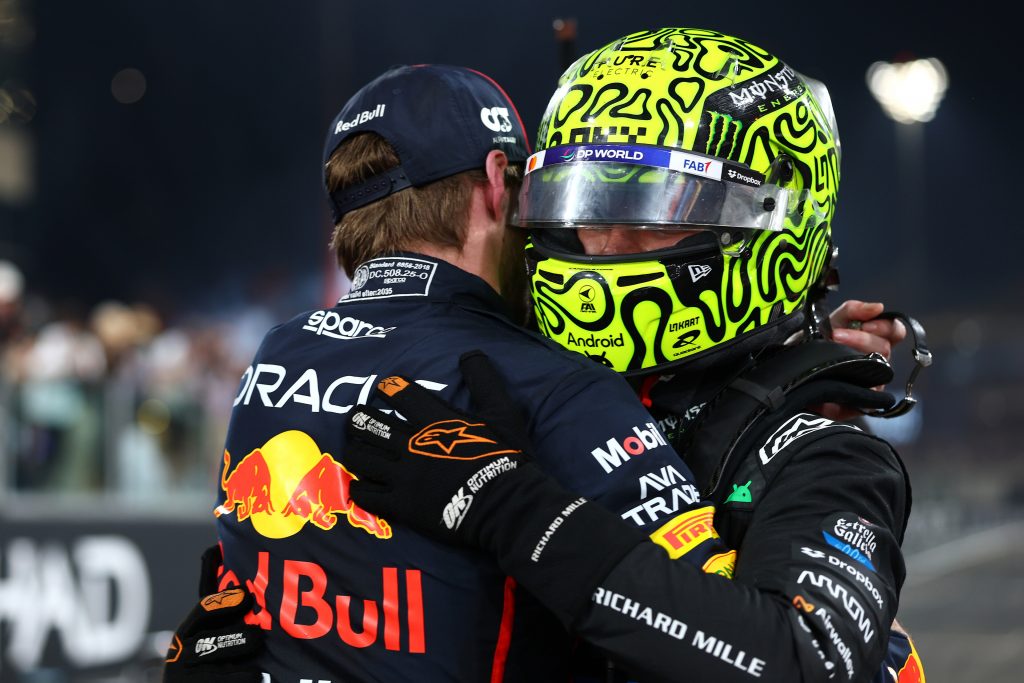
Had McLaren allowed Lando and Oscar to race freely in their tense championship duel, the 2025 title fight might have ended several rounds earlier — or produced a different World Champion altogether.
As The Race illustrates, both McLaren drivers lost significant points (Oscar lost a total of 87 points, while Lando lost a total of 72) through a combination of personal errors and factors beyond their control, including questionable strategy calls, reliability issues, and, at times, outright interference under the guise of the Papaya Rules.
Take Monza and Qatar. In Monza, had Oscar held firm and not yielded to Lando, the balance of the championship could have shifted. In Qatar, a split-strategy approach might have tilted the scales in Norris’s favour.
I can’t help but feel we were denied a true head‑to‑head showdown between Norris and Piastri — a straight fight for their maiden F1 crowns. McLaren’s commitment to its principles is admirable; yet, the Papaya Rules ultimately muted what might have been one of the sport’s great intra-team battles.
Still, 2025 delivered drama, surprises, and the end of an era. With Norris crowned champion and a massive regulation shake-up in 2026, the question lingers: will McLaren continue to uphold its Papaya Rules if faced with another tense title fight between two of its own?
**
Featured Image Credit: McLaren Media Centre