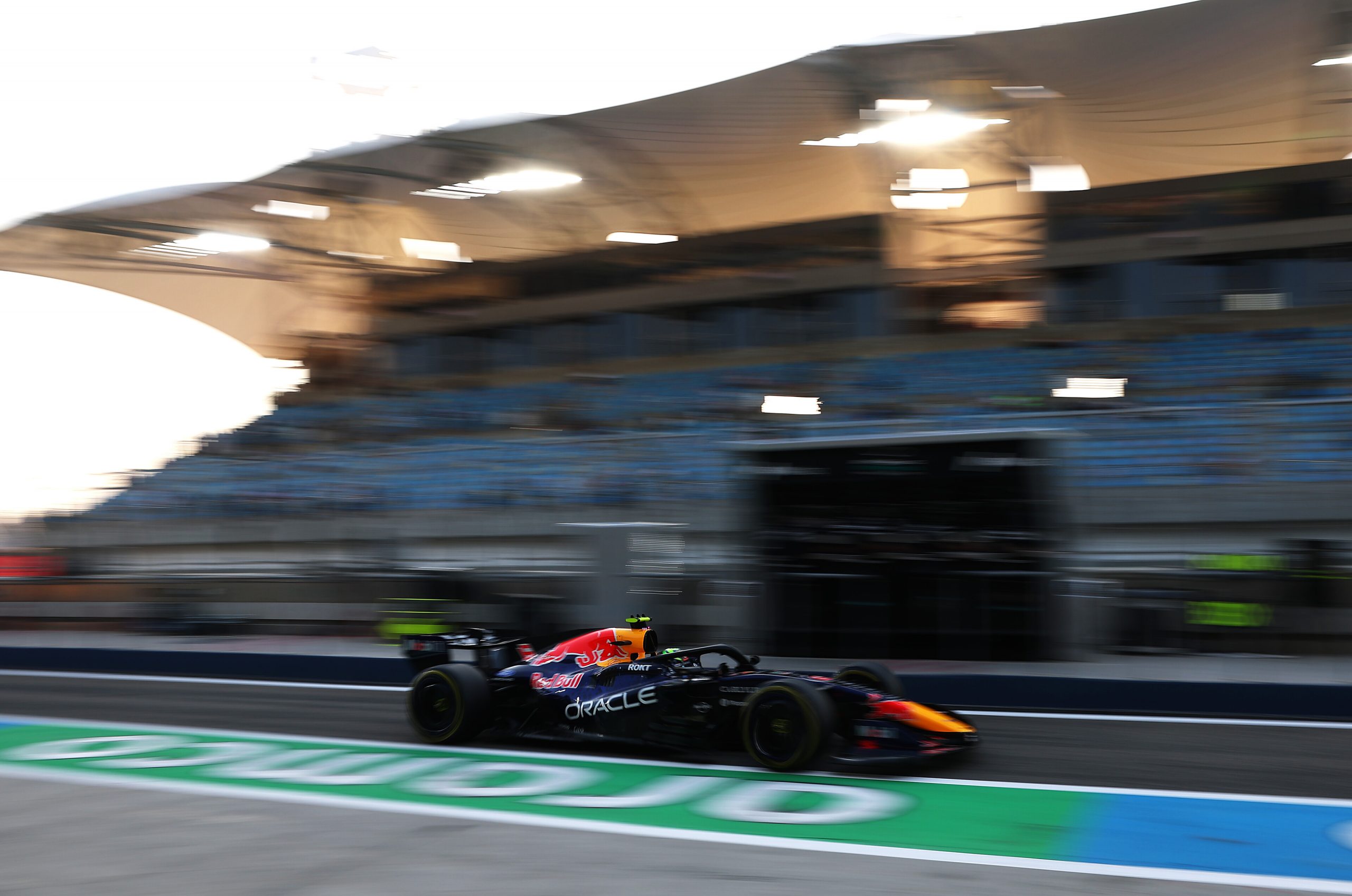
With a fresh set of regulations, a brand new team, and rising talent on the grid, there’s never been a better time for new fans to start watching Formula 1 in 2026.
2026 marks the biggest shake-up in regulations since 2014, when the sport switched to 1.6-litre V6 turbo-hybrid engines.
Thanks to a flurry of car launches, pre-season testing in Bahrain, and a private shakedown in Barcelona, we now have a sharper sense of how the 2026 machines truly look—and sound—on track.
But this season promises more than just a visual refresh; it could redefine Formula 1’s competitive landscape altogether.
As the season opener draws near, let’s get you up to speed on everything you need to know heading into this season.
Race Calendar
Similar to last year, the season begins in Australia and concludes in Abu Dhabi. With Ramadan falling in February and March, the Bahrain and Saudi Arabian Grands Prix have again been shifted to April.
The calendar also benefits from improved geographic flow: the Canadian Grand Prix now follows Miami in May, streamlining freight movement and setting up a consolidated European summer leg.
That stretch kicks off in Monaco (from June 5 to 7) and wraps up in Spain, where Madrid will make its long-awaited F1 debut from September 11 to 13.
From there, the championship heads back to Asia with Azerbaijan and Singapore, before a triple-header in the Americas. And just like last year, the season finale again features Las Vegas, Qatar, and Abu Dhabi.
Also, sprint events return as well, with six venues hosting them in 2026: China, Miami, Canada, Great Britain, the Netherlands, and Singapore.
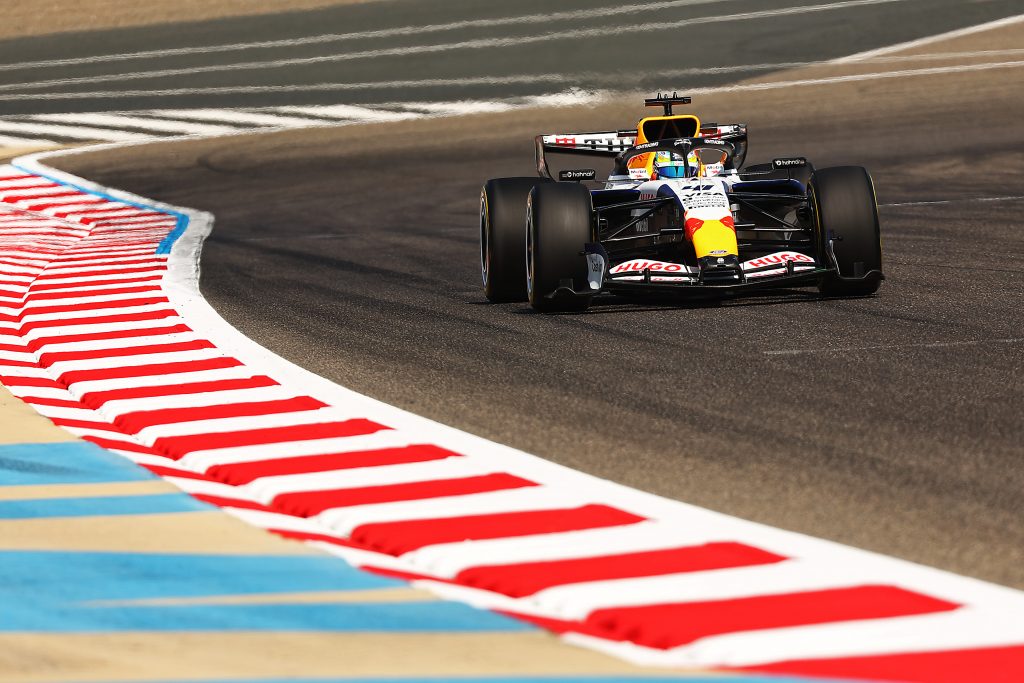
Formula 1 in 2026: What Else Is Changing This Season?
We covered most of the headline changes for 2026—including the new Concorde Agreement—in a previous piece, but here’s a quick look at what else is new this season.
If you’ve been following the shakedown in Barcelona or pre-season testing in Bahrain, you’ll know the cars look noticeably different this year.
For starters, they’re smaller, nimbler, and narrower than their ground-effect predecessors.
DRS has been replaced by Active Aerodynamics, while the new power units deliver a near 50-50 split between electrical and petrol power. This opens the door to a wider range of setups and forces drivers to adapt to a fresh driving style.
Safety has also taken a step forward, with mandatory safety lights now integrated into the side mirrors.
On the sustainability front, cars will run on Advanced Sustainable Fuels that were used in F2 and F3 during 2025.
Formula 1 in 2026: Teams and Drivers Guide
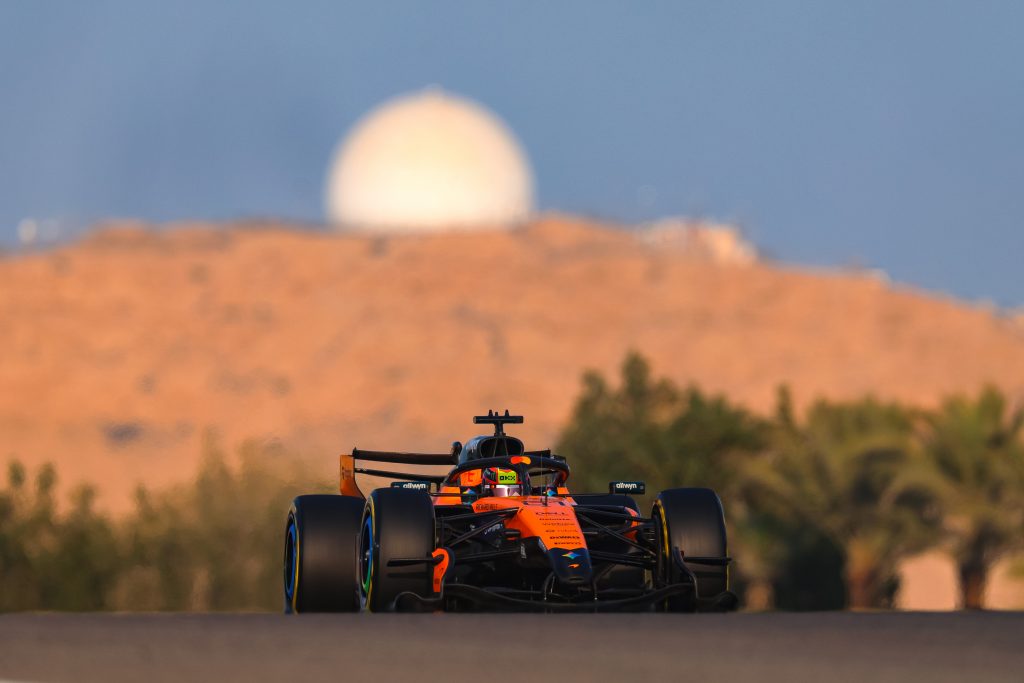
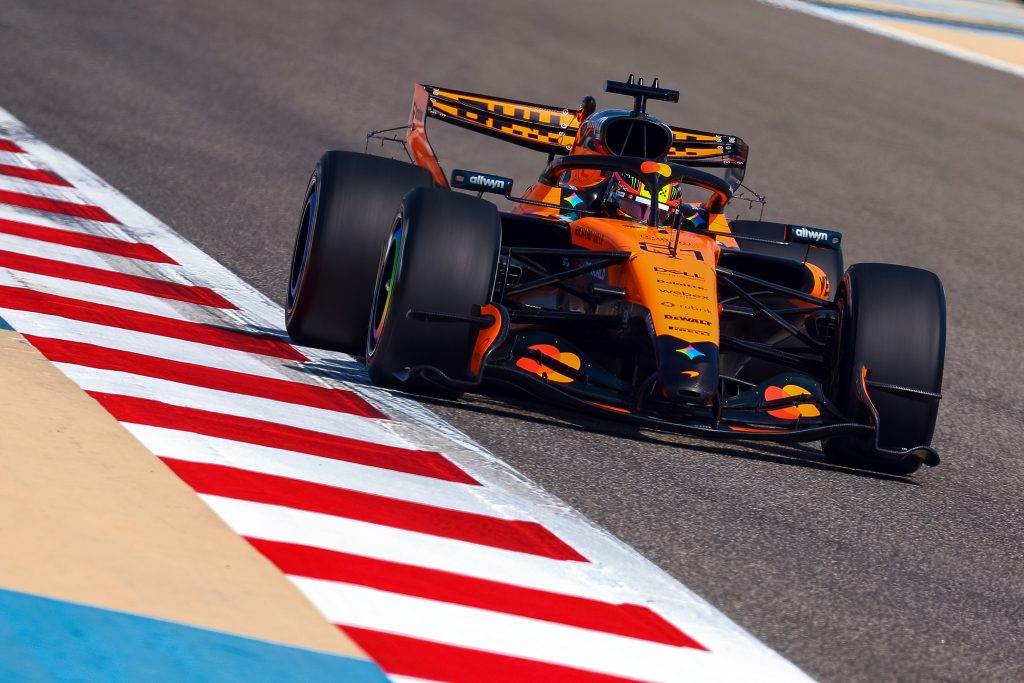
McLaren Mastercard F1 Team (McLaren)
- Team Principal: Andrea Stella
- Drivers: Lando Norris (#1), Oscar Piastri (#81)
Under the leadership of Team Principal Andrea Stella, the Woking outfit retains its driver pairing of Lando Norris and Oscar Piastri, who were both instrumental to the team’s dominance in 2025.
A big highlight from last year was the intense intra‑team battle, with Norris and Piastri pushing each other to the limit while Max Verstappen mounted a late surge in the second half of the campaign.
Ultimately, Norris found his rhythm when it mattered most, securing his long‑awaited first drivers’ crown and cementing his place among the sport’s elite, while Piastri’s consistency ensured McLaren get their grip on the Constructors’ Championship for the second year in a row—a feat the team hadn’t managed since 1998.
What To Expect From McLaren in 2026?
McLaren enter 2026 not only as the team to beat but also with a fresh identity, having secured a new title sponsor. From this season onward, the outfit will be known as the McLaren Mastercard F1 Team.
They also remain one of four customer teams running Mercedes power units (PU). With the Mercedes PU already a major talking point this year, the spotlight is on whether McLaren can sustain the competitive edge and momentum that carried them to championship glory in 2025.
Arguably, a key focus will be ironing out the tactical errors that crept in during the 2025 campaign — mistakes their rivals could easily exploit. Still, both Andrea Stella and CEO Zak Brown have made clear that the team’s famous ‘papaya rules’ will remain firmly in place.
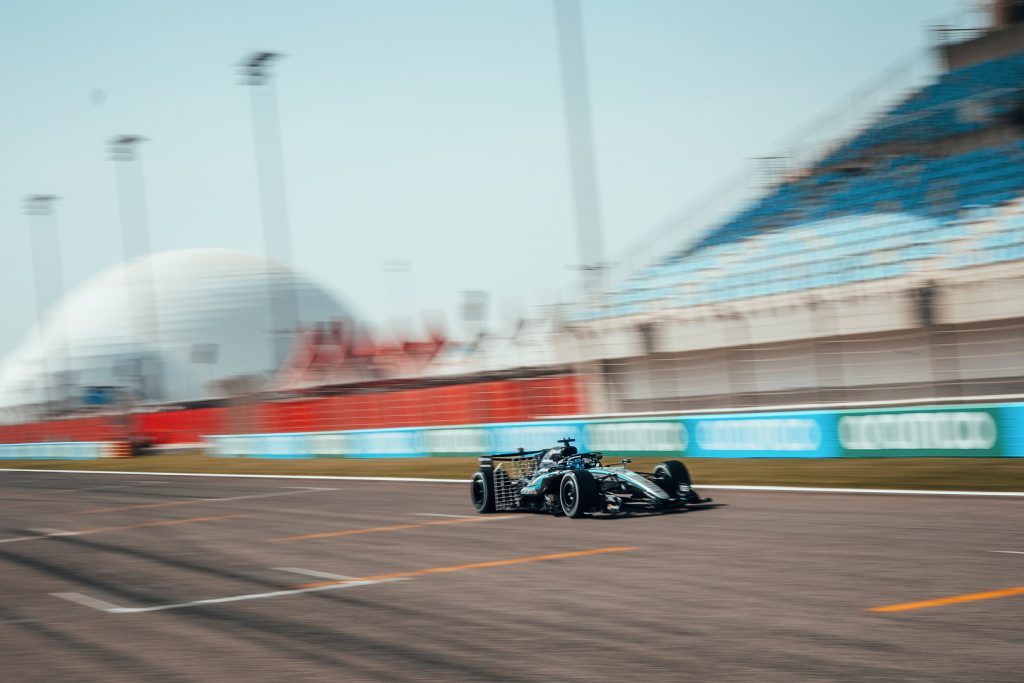
Mercedes-AMG PETRONAS Formula One Team (Mercedes)
- Team Principal: Toto Wolff
- Drivers: George Russell (#63), Kimi Antonelli (#12)
With Lewis Hamilton departing the Silver Arrows for Ferrari, Mercedes entered 2025 with an all-new driver line-up: the now established team leader George Russell alongside rookie Kimi Antonelli, a rising star the team has nurtured since his karting days.
While Mercedes never fully mastered the ground-effect regulations, the combined efforts of Russell and Antonelli were enough to lift the team back to P2 in the constructors’ standings.
It marked a recovery from their recent dip — third in 2022, second in 2023, and fourth in 2024 — and underscored the promise of their new pairing as they head into 2026.
What To Expect From Mercedes in 2026?
With sweeping regulation changes, 2026 could be a time for Mercedes to move past their up-and-down ground‑effect stint and start afresh.
Much of the chatter from pre‑season testing and Barcelona’s shakedown has centered on the Mercedes power units (PU), particularly their ability to run at higher compression ratios when the cars are out on track. At the time of writing, it remains uncertain whether the FIA or Formula 1 Management will rule against the legality of these PUs.
For now, the Silver Arrows have logged substantial mileage with their new engines — a promising signal of the strides they hope to make as they relieve their glory days in 2026.
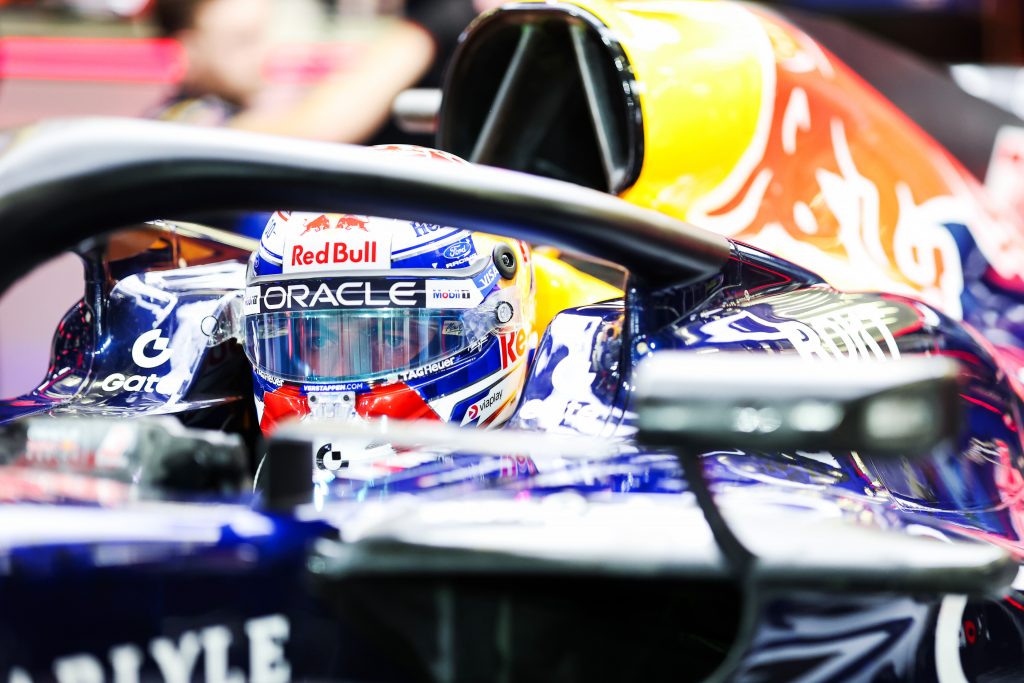
Oracle Red Bull Racing (Red Bull)
- Team Principal: Laurent Mekies
- Drivers: Max Verstappen (#3), Iscak Hadjar (#6)
2025 proved to be a turbulent year both on and off the track. Yuki Tsunoda was promoted from the sister team after just two races to replace Liam Lawson, while long‑serving team boss Christian Horner left the team, with Laurent Mekies stepping in to lead the outfit.
Plus, the RB21 was a difficult machine to tame. With a narrow operating window, neither driver could consistently unlock its potential and reigning World Champion Max Verstappen looked out of title contention by the summer break.
Yet the Dutchman mounted one of the greatest comebacks in recent memory, continuing the title fight all the way to the final round in Abu Dhabi. Ultimately, Verstappen was dethroned by McLaren’s Lando Norris — losing out on his fifth consecutive title by just two points.
What To Expect From Red Bull in 2026?
Red Bull has made the bold move to switch from Honda PUs — responsible for much of their dominance in the ground‑effect era — to building their own in partnership with Ford.
Unlike Ferrari and Mercedes, who have long cemented their reputations as engine suppliers, this project represents an ambitious leap for the Milton Keynes outfit as they aim to establish themselves as a reliable and competitive PU manufacturer.
The team has also promoted rookie Isack Hadjar to line up alongside Max Verstappen for 2026. The Frenchman impressed during his 2025 campaign, claiming a surprise podium at Zandvoort and pushing the Racing Bulls into Q3 on several occasions.
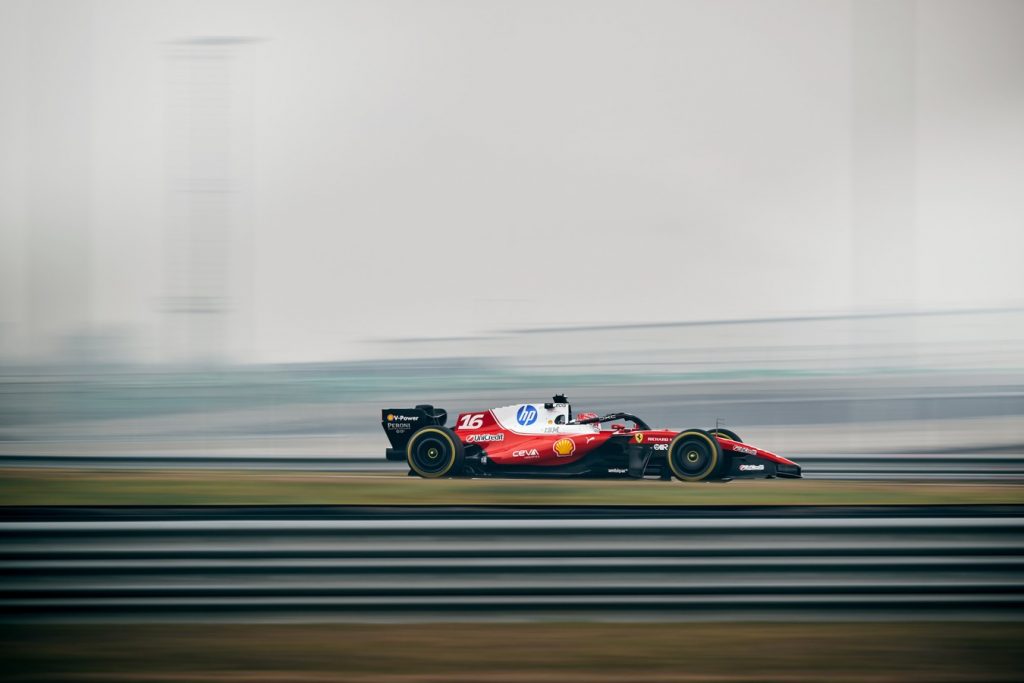
Scuderia Ferrari HP (Ferrari)
- Team Principal: Frédéric Vasseur
- Drivers: Charles Leclerc (#16), Lewis Hamilton (#44)
Ferrari dominated headlines over the 2023/24 winter break when news broke that seven‑time World Champion Lewis Hamilton would make the shock move from Mercedes to Ferrari.
The arrival of Hamilton alongside Charles Leclerc gave the Maranello outfit one of the most high profile line‑ups on the grid, sparking optimism that Ferrari could finally return to winning ways.
However, the reality of their 2025 campaign proved far more difficult. The SF‑25 struggled to deliver consistent performance, leaving both drivers unable to maximize its potential. Ferrari ended the season with no wins and slipped to fourth in the Constructors’ standings — their lowest finish since 2020.
What To Expect From Ferrari in 2026?
Ferrari chose to channel most of their resources for their 2026 campaign after realising early on that they’re weren’t able to challenge for either title in 2025.
Having slipped to P4 in the constructors’ standings and enduring their first winless campaign since 2021, Ferrari will be determined to return to their winning ways.
Atlassian Williams F1 Team (Williams)
- Team Principal: James Vowles
- Drivers: Carlos Sainz (#55), Alexander Albon (#23)
Since arriving as Team Principal in 2023, James Vowles has made significant strides with his long‑term plan to return Williams toward the front of the grid.
With an all‑new driver line‑up of Alex Albon and new arrival Carlos Sainz for their 2025 campaign, the pair scored more points across the 24‑round season than Williams had managed in the previous seven years combined.
Albon carried much of the momentum in the first half of the year, while Sainz found his rhythm later, delivering two podiums and a standout P3 finish in the Austin Sprint race. The result was Williams securing their first top‑five constructors’ finish in almost a decade.
What To Expect From Williams in 2026?
James Vowles has always been clear about his long‑term vision since arriving at Williams in 2023.
In an episode of the High Performance podcast, he memorably said he was willing to ‘break everything’ and that he didn’t care about short‑term results in 2023, 2024, or even 2025.
His focus was on laying down the structures, processes, and mindset needed to rebuild Williams into a team capable of thriving under the new regulations in 2026 and beyond.
While it remains a tall order to expect Williams to immediately fight for podiums and wins in 2026, the trajectory from recent seasons suggests steady progress.
Crucially, the team has retained the driver line‑up of Carlos Sainz and Alex Albon — the pairing that delivered their most successful campaign in years.
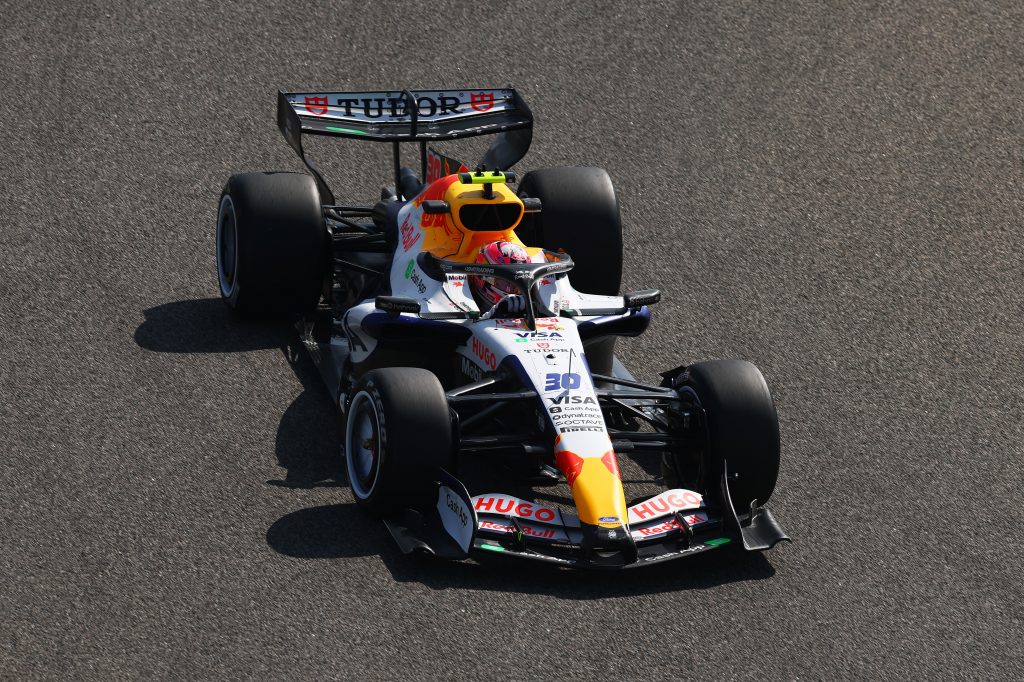
Visa Cash App Racing Bulls Formula One Team (Racing Bulls)
- Team Principal: Alan Permane
- Drivers: Liam Lawson (#30), Arvid Lindblad (#41)
Racing Bulls faced a flurry of driver and management changes in 2025. Liam Lawson was demoted back to the sister team after two rounds, with Yuki Tsunoda promoted to Red Bull.
Mid‑season, the team also saw a leadership shake‑up as Laurent Mekies departed to replace long‑time boss Christian Horner as Red Bull’s Team Principal. This reshuffle saw Alan Permane promoted from Racing Bulls Racing Director to Team Principal.
Still, amid the personnel changes, Racing Bulls delivered an impressive 2025 campaign, finishing sixth in the constructors’ standings. Some standout performances to celebrate includes Isack Hadjar’s maiden podium at Zandvoort and Lawson’s strong run to fifth in Azerbaijan.
What To Expect From Racing Bulls in 2026?
Racing Bulls won’t have the most experienced driver line‑up compared to the rest of the grid in 2026. Liam Lawson enters only his second full F1 season, while 18‑year‑old Briton Arvid Lindblad graduates from Formula 2 to become the sole rookie on this year’s grid.
Part of long‑serving boss Franz Tost’s vision before retiring at the end of 2023 was for the squad to finally secure a fifth‑place finish in the Constructors’ standings. While they came agonizingly close with sixth in 2008, 2019, 2021, and again in 2025, 2026 offers a clean slate and a chance to reshape the competitive order.
Realistically, Racing Bulls are more likely to serve as an environment that nurtures young talent, but there’s nothing stopping the team from aiming to top the midfield and prove that their youthful line‑up can deliver results.
Aston Martin Aramco Formula One Team (Aston Martin)
- Team Principal: Adrian Newey
- Drivers: Fernando Alonso (#14), Lance Stroll (#18)
2025 was a year of contrasting fortunes for Aston Martin. Two‑time World Champion Fernando Alonso only managed to score points from Round 9 in Barcelona, while Lance Stroll’s form gradually declined after a strong start that included sixth place in a rain‑affected Australian Grand Prix.
Ultimately, the Gaydon squad finished seventh in the constructors’ standings — two places lower than their P5 finish during 2023 and 2024.
What To Expect From Aston Martin in 2026?
For the fourth season in a row, Aston Martin will retain their driver pairing of Fernando and Lance. On top of this, there has been no shortage of investment going into Aston Martin ahead of their 2026 campaign, making this season a crucial test of whether Lawrence’s vision will pay off.
The headline change is the arrival of famed F1 designer Adrian Newey, who joins the team as Managing Technical Partner after nearly two decades at Red Bull — and, for the first time in his career, steps into the role of Team Principal. Beyond this, Honda has signed on as Aston Martin’s exclusive power unit supplier, bringing the same pedigree that powered much of Red Bull’s dominance in the ground‑effect era.
Coupled with the state‑of‑the‑art investment in their Silverstone facility, these moves signal the monumental effort Lawrence has made to ensure Aston Martin has the ingredients to become Formula 1’s next super team. The question now is whether this ambitious transformation can translate into results on track.
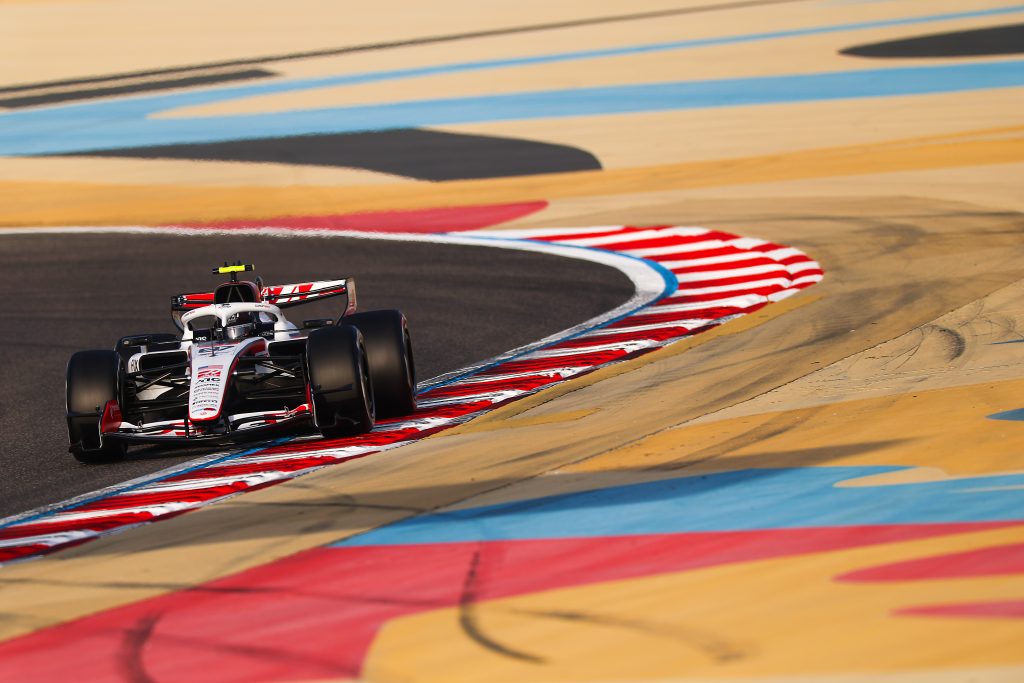
TGR Haas F1 Team (Haas)
- Team Principal: Ayao Komatsu
- Drivers: Esteban Ocon (#31), Oliver Bearman (#87)
Fielding an all‑new driver line‑up of Esteban Ocon and rookie Oliver Bearman, Haas found themselves in the thick of a particularly close midfield battle in 2025. Despite improving their points tally from 58 to 79, the team finished eighth in the constructors’ standings.
Instability issues plagued the VF‑25 during the season opener, but Haas recovered to secure double‑points finishes in China, Bahrain, the Netherlands, Mexico, and Las Vegas. What’s more, a final batch of upgrades introduced in Austin provided a late‑season boost — particularly on Bearman’s side of the garage.
What To Expect From Haas in 2026?
Japanese automotive giants Toyota — who entered into a technical partnership with Haas in late 2024 — will step up as the team’s title sponsor in 2026, bringing much‑needed support and resources under the new regulations.
With a much smaller operation compared to the rest of the grid, Toyota’s backing could provide Haas with a stronger foundation to push forward. By retaining their driver line‑up, the team is banking on continuity and stability to elevate them beyond their traditional midfield struggles.
Looking at the momentum built over the past two seasons, a realistic target for Haas would be to lead the midfield pack if they can successfully adapt to this new set of regulations. With Toyota’s resources, Ocon’s experience, and Bearman’s growing maturity, this could be the combination Haas needs to redefine its place in F1.
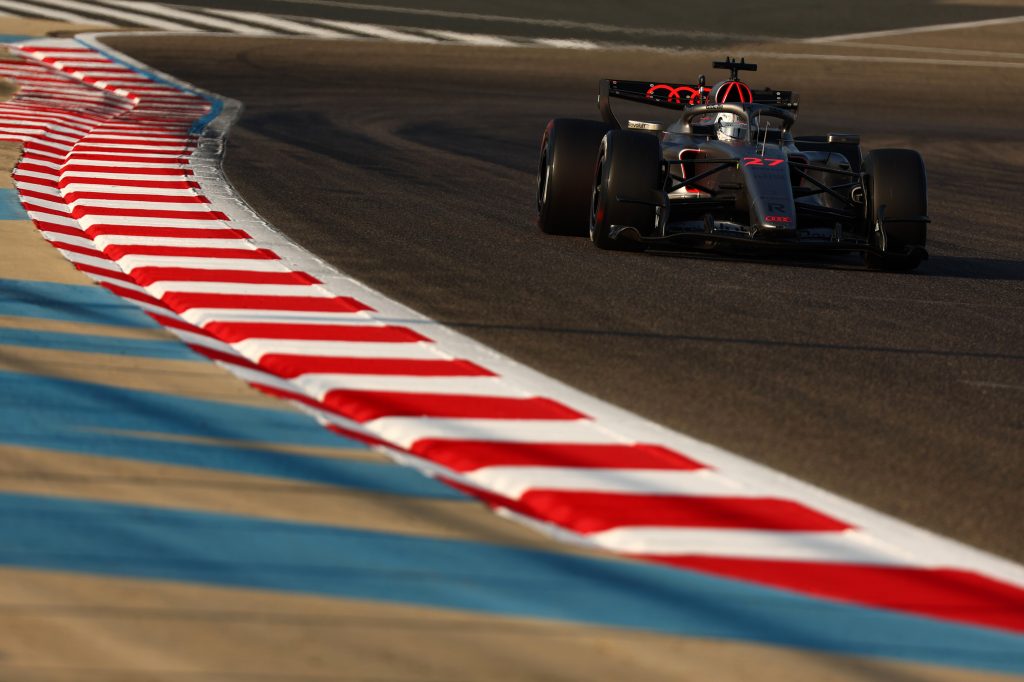
Audi Revolut F1 Team (Audi)
- Team Principal: Jonathan Wheatley
- Drivers: Nico Hulkenberg (#27), Gabriel Bortoleto (#5)
Following a tough outing in 2024 where Kick Sauber scored points just once courtesy of Zhou Guanyu, the team’s final campaign under the Kick Sauber name in 2025 was a stark improvement before their transition into Audi’s works outfit in 2026.
With a new driver line‑up of Nico Hülkenberg and Gabriel Bortoleto, the team showed flashes of promise. The German veteran claimed points at the chaotic season‑opener in Australia and delivered his long‑awaited maiden podium at Silverstone, while the Brazilian rookie scored his first F1 points with a P8 finish in Australia.
In the end, Kick Sauber finished ninth in the constructors’ standings, just nine points adrift of rivals Haas in eighth — a campaign that new Team Principal Jonathan Wheatley hailed as “extraordinary” one for the squad.
What To Expect From Audi in 2026?
Head of the Audi F1 Project Mattia Binotto has stated that the squad are ‘aiming to win a championship by 2030’. In the short term, however, the targets are more modest given the uncertainty of the pecking order — especially in the tight midfield.
Wheatley has assured that the team has been given a ‘very realistic set of targets’, emphasising the importance of building on the momentum carried over from last year. By retaining the experienced Hülkenberg alongside Bortoleto for 2026, Audi will hope to replicate their 2025 successes and continue laying the foundations for their long‑term ambitions.
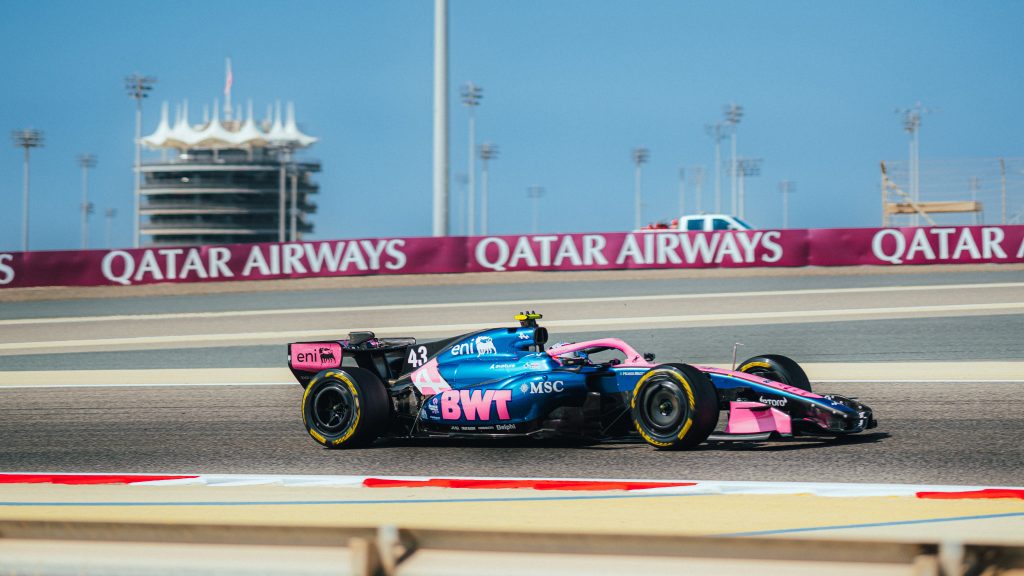
BWT Alpine Formula One Team (Alpine)
- Team Principal: Flavio Briatore
- Drivers: Pierre Gasly (#10), Franco Colapinto (#43)
Similar to several teams on the grid, Alpine opted to shift their focus early toward preparing for the 2026 campaign, effectively scrapping further development for their 2025 car. The decision left the Enstone squad enduring a difficult season.
There were rare highlights — most notably at Silverstone, where Pierre Gasly managed changing conditions to bring his A525 home in a season‑best sixth place. Gasly’s tenth place in São Paulo marked the team’s only points in the second half of the year. Ultimately, Alpine finished last in the constructors’ standings, with a sizeable 48‑point deficit to Kick Sauber in ninth.
The season also brought significant personnel changes. Jack Doohan was replaced by Franco Colapinto after just six races, while Team Principal Oliver Oakes resigned with immediate effect a day earlier. In the aftermath, Executive Advisor Flavio Briatore stepped in to cover the duties previously performed by Oakes.
What To Expect From Alpine in 2026?
The French squad will enter 2026 with two key ingredients that should help them avoid a repeat of their last‑place finish. Firstly, the team begins the new season with an increased sense of stability: Steve Nielsen joined Alpine as Managing Director in September, reporting to Flavio Briatore, while the driver pairing of Pierre Gasly and Franco Colapinto has been retained for continuity.
Perhaps the biggest change for Alpine in 2026 is their switch to the Mercedes PU, which they will run until at least the end of 2030 after shutting down their works engine programme at the end of 2025. Given the strong reputation of Mercedes’ PUs, this was a tactical move by the French squad to leverage proven performance and optimize resources for their new campaign.
Cadillac Formula 1 Team (Cadillac)
- Team Principal: Graeme Lowdon
- Drivers: Sergio Perez (#11), Valtteri Bottas (#77)
Cadillac, the American outfit backed by TWG Motorsports and General Motors, is the latest addition to the F1 grid in 2026. For much of last year, the team was focused on preparing for their debut after receiving final approval for entry in March.
Though new to the sport, Cadillac has opted for experience in its driver line‑up. Valtteri Bottas and Sergio Pérez both return after spending 2025 on the sidelines. Between them, they bring a combined 527 race starts, 106 podiums, and 16 wins — a wealth of experience Cadillac hopes will translate into operational strength and competitive resilience.
What To Expect From Cadillac in 2026?
For a team that only received approval to enter the sport last year, Cadillac is inevitably starting on the back foot compared to rivals who had months or even years to prepare for their 2026 campaigns.
Still, bringing in an experienced driver pairing should accelerate the learning curve, even if results are modest at the start. After all, Cadillac’s ambitions are firmly long‑term: the outfit will become an F1 power unit supplier from 2029, signaling their commitment to the sport well beyond their debut season.
The most pragmatic approach for 2026 will be to take things race by race, focusing on learning and building a foundation rather than setting lofty ambitions.
Formula 1 in 2026: The Mark Of A New Era
The 2026 season should be a exciting year for the sport. With sweeping regulatory changes, the cars are fundamentally different from their predecessors — most notably with a mandated 50‑50 split between petrol and electric power — that it has surprised many drivers during pre-season testing.
As such, a few World Champions on the grid have not been shy about voicing their concerns. Max Verstappen described the new generation of cars as ‘Formula E on steroids,’ while Lewis Hamilton noted they are ‘incredibly complex.’
Fernando Alonso even cheekily remarked that ‘the chef in the kitchen’ could drive them, given the increased emphasis on energy management and lift‑and‑coast techniques.
Still, there is time before the season opener inAustralia and the upcoming F1 Commission Meeting is set to address several issues with the current regulations before the lights go out in Australia. Either way, anticipation is high to see which team can master the new rules from the outset and set the competitive benchmark for the next era of F1.
**
Don’t miss out on the season opener as the light go out in Melbourne, Australia on March 8.
Featured Image Credits: Red Bull Content Pool