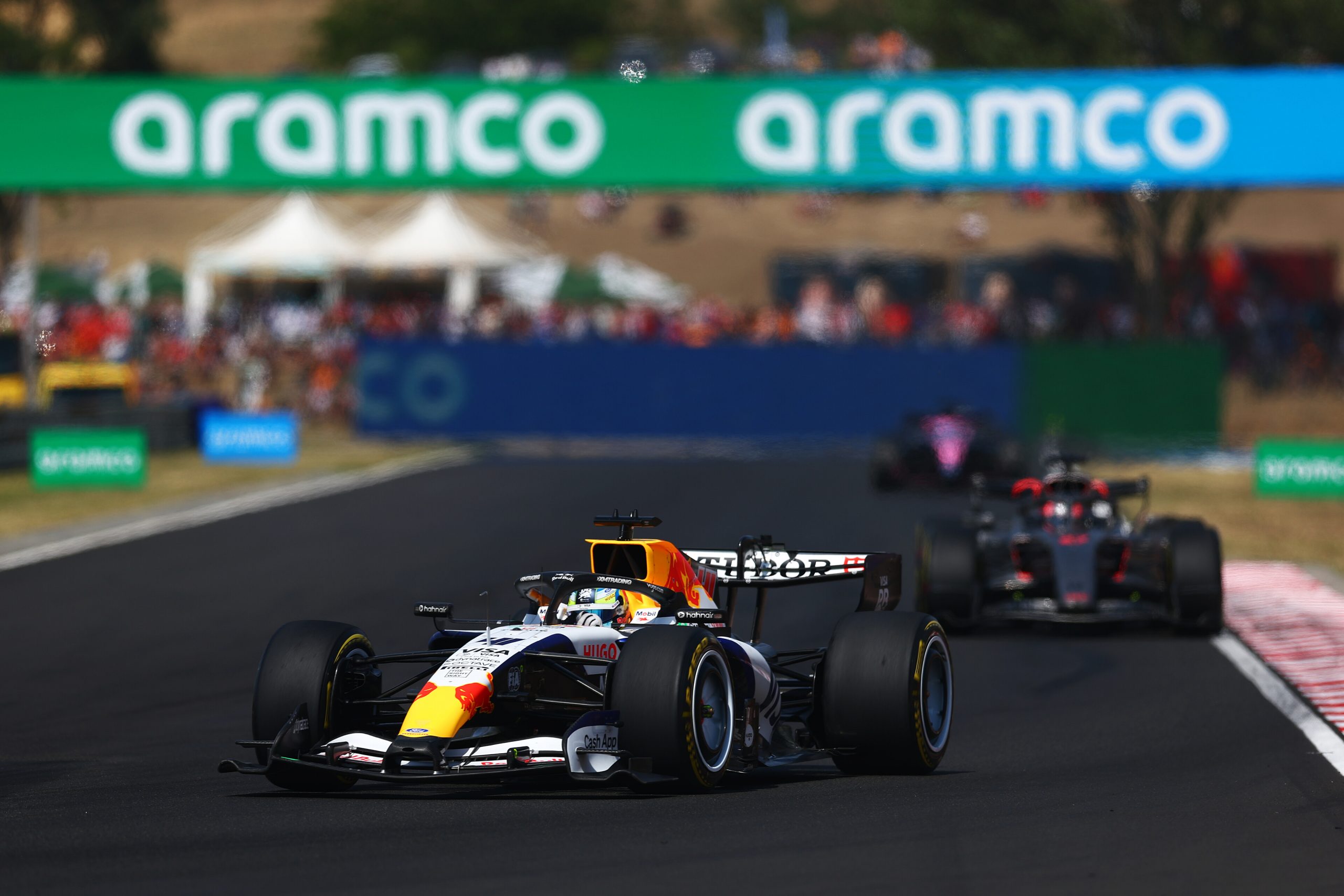
2026 marked the start of one of the most dramatic regulation cycles in Formula 1 history.
For some teams, it was a blank slate — a second chance or even opportunity — for them to shake up their position within the Formula 1 pecking order.
For some teams, it was a blank slate, offering a second chance to shake up their position in the pecking order.
Not only did the sport undergo massive changes with the new 2026 challengers, but Cadillac also joined the grid. Arriving as the 11th team, they are the first new entry since Haas made their debut a decade ago at the 2016 Australian Grand Prix.
Naturally, fans were excited for the chaos the season would bring. While it looked like Mercedes might run away with both championships early on, the first half of 2026 delivered enough twists and turns to keep us on our toes.
As we wait for racing to resume after the summer break, here is the rundown of every team’s season so far.
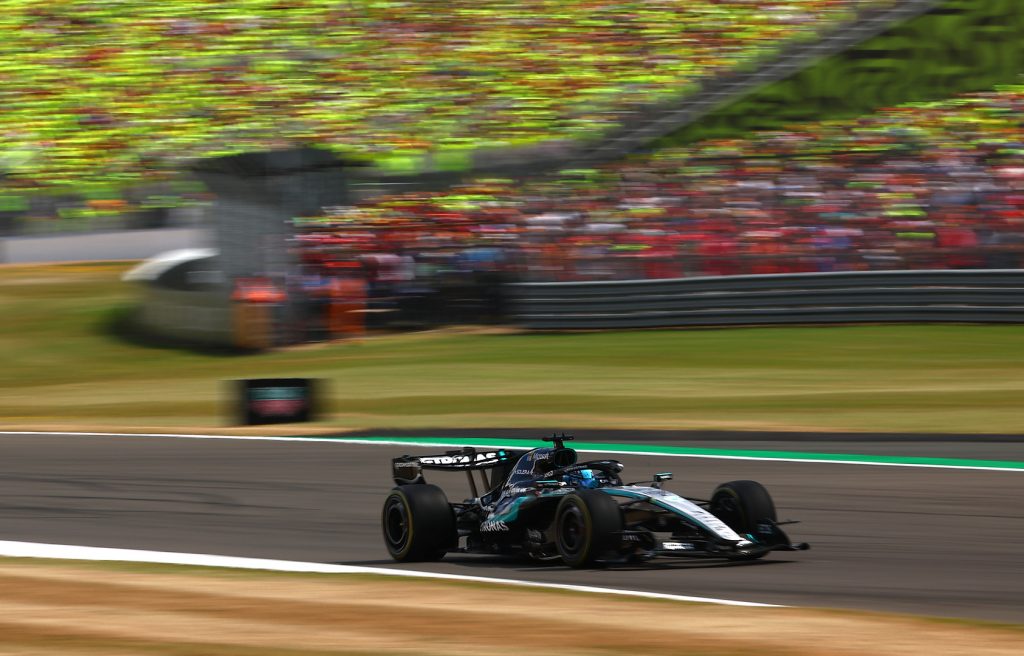
1st: Mercedes
Driver Line Up: George Russell (#63), Kimi Antonelli (#12)
When the Formula 1 season opened in Australia, it looked like Mercedes would run away with both championships. They stormed out of the gates with incredible momentum, translating the sport’s blank slate into a commanding early lead. For a moment, it felt like a return to their era of sheer dominance, fielding a challenger that showcased blistering pace in the hands of George Russell and Kimi Antonelli.
But their campaign has not been entirely bulletproof. As the calendar wore on, a frustrating streak of reliability issues crept into the garage. Mechanical gremlins cost them points on weekends where they otherwise looked untouchable — namely Canada, Barcelona, and Silverstone.
These slip-ups have done exactly what Mercedes feared most: left the door wide open for their rivals, especially Ferrari. With every DNF, the Scuderia has been perfectly positioned to capitalise, rapidly closing the gap in the standings.
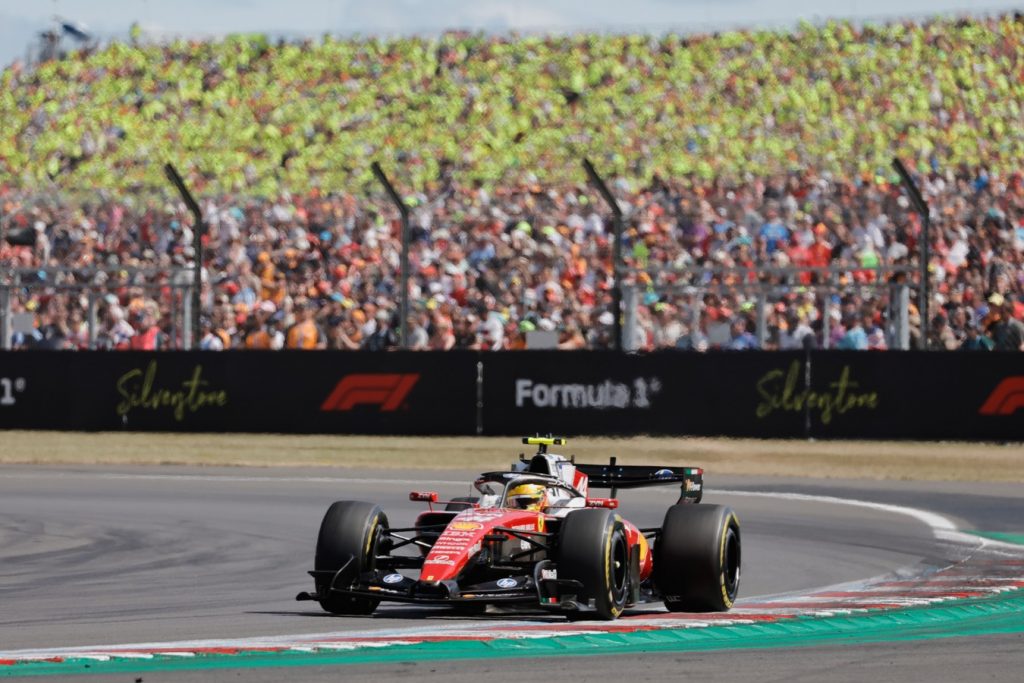
2nd: Ferrari
Driver Line Up: Charles Leclerc (#16), Lewis Hamilton (#44)
Ferrari’s 2026 campaign is a tale of two halves. Out of the gates, the Scuderia lacked Mercedes’ straight-line speed and fell behind in the early rounds. They stayed in the fight, though, through aggressive development and bulletproof reliability. Upgrades at nine of the first eleven races — highlighted by a major step forward in Austria — helped them methodically chip away at that lead.
This persistence paid off with two victories, proving the SF-26 is a serious threat when rivals stumble. The defining moment arrived in Barcelona, where Lewis Hamilton capitalised on Kimi Antonelli’s power unit failure to secure his first Grand Prix win in red. Charles Leclerc followed suit with a hard-fought win at Silverstone.
Still, unforced errors remain Ferrari’s biggest hurdle. Beyond bad luck (like Leclerc’s back-to-back DNFs in Monaco and Barcelona), the team penalised itself with operational missteps and poor strategy. Given their power-unit deficit, Team Principal Frédéric Vasseur knows they cannot afford these slip-ups.
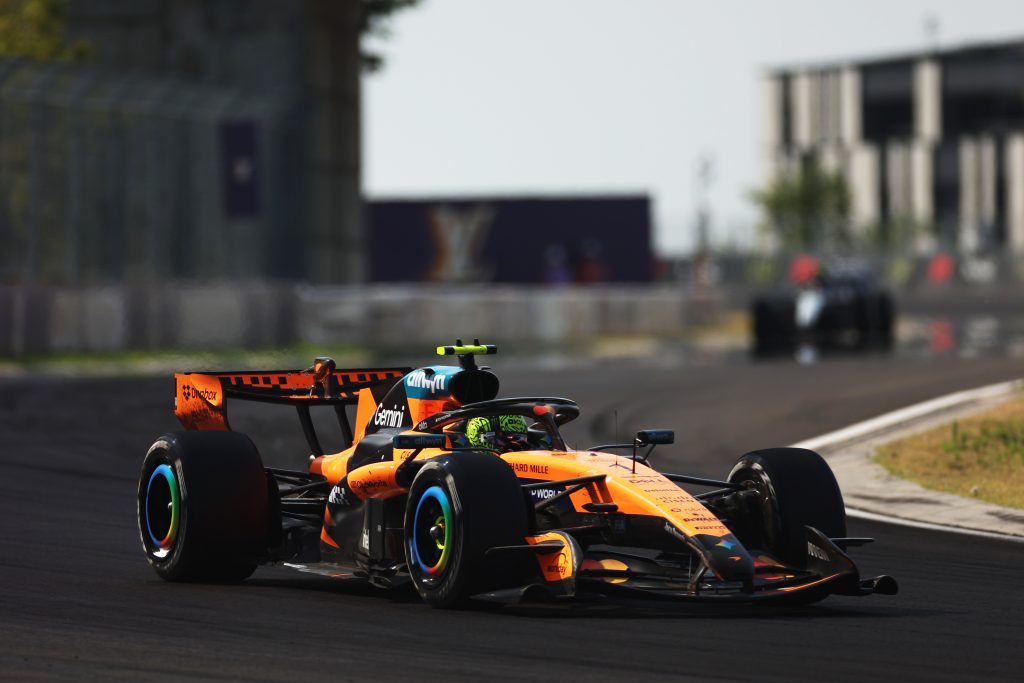
3rd: McLaren
Driver Line Up: Lando Norris (#1), Oscar Piastri (#81)
Entering 2026 as reigning Formula 1 World Champions, McLaren carried massive expectations into the new regulation cycle. The reality, however, has been underwhelming.
Reliability has plagued their first half. The low point was a double DNS in China due to electrical and power unit issues. Norris also suffered a gearbox failure in Canada and a battery fault in Monaco, while Piastri recorded a DNF in Hungary.
This struggle partly stems from the challenge of being a customer team trying to harmonise complex new power units with their chassis. Worse, they spent the first 11 races playing catch-up after pushing their 2025 development deep into last season to clinch the Drivers’ Championship.
Still, a breakthrough arrived before the summer break. The aerodynamic upgrade introduced in Hungary resolved many of the MCL40’s conceptual flaws, allowing Lando Norris to take pole and secure an emphatic first victory of the season.
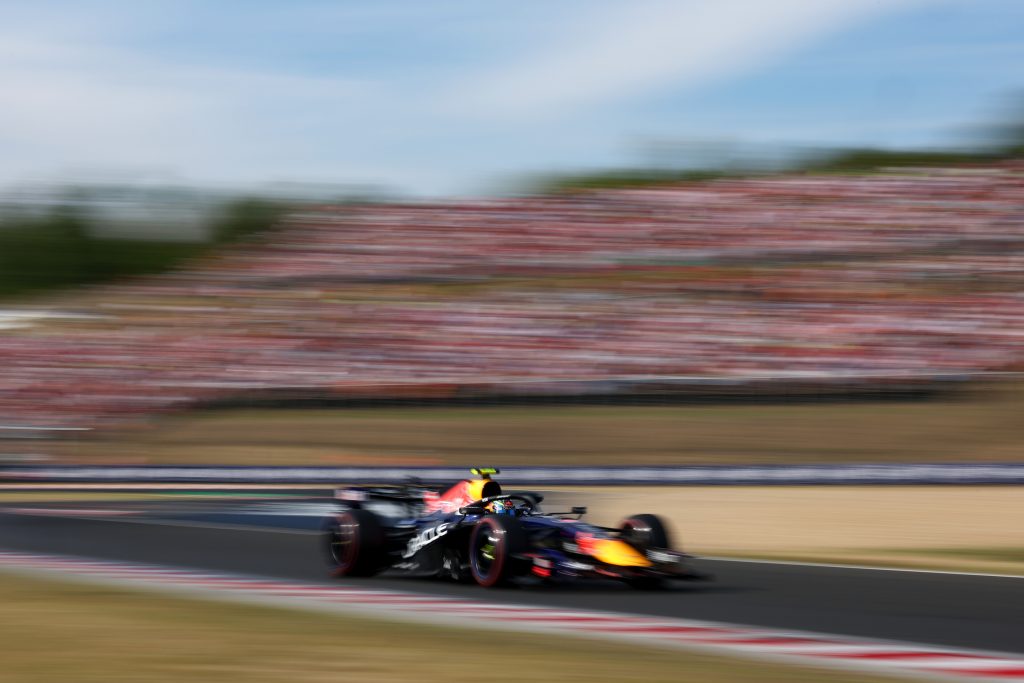
4th: Red Bull Racing
Driver Line Up: Max Verstappen (#3), Isack Hadjar (#6)
For Red Bull, 2026 is a historic but painful transition. Launching the in-house Red Bull Ford Powertrains marks their leap to a fully independent works team, but that ambition comes with a steep learning curve.
With MGU-K units now responsible for half the car’s total output, mastering energy deployment without an MGU-H is their biggest headache. Software calibration errors and energy harvesting deficits leave them vulnerable on power-hungry circuits.
This performance drop hit Max Verstappen hard. Zero victories and just four podiums across 11 races show how hardware limitations have neutralised his usual dominance. However, a reshuffled driver line-up provides a major silver lining.
Promoted from Red Bull Racing to partner Verstappen, Isack Hadjar has seemingly broken the notorious “second-seat curse”. Averaging a qualifying deficit of just over two-tenths of a second, Hadjar sits well within team targets. Highlighted by an impressive fourth-place finish at Monaco, his consistency proves that while the engine needs work, Red Bull’s new pairing is highly effective.
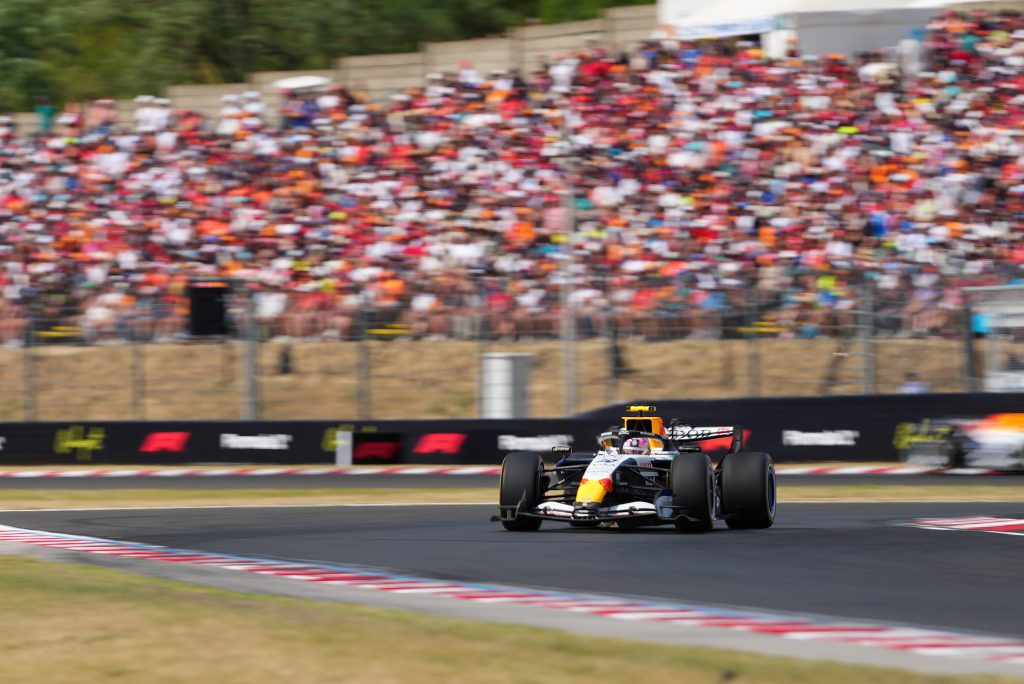
5th: Racing Bulls
Driver Line Up: Liam Lawson (#30), Arvid Lindblad (#41)
Racing Bulls entered 2026 facing identical hardware hurdles as their senior outfit. Outfitted with new Red Bull Ford Powertrains, Faenza’s squad inherited the same energy harvesting deficits and software bugs plaguing Red Bull Racing.
Yet, instead of dropping down the order, they emerged as quiet overachievers. Securing fifth place by the summer break highlights sharp trackside execution and a chassis that successfully offsets straight-line speed deficits with superb cornering balance.
In his first season as undisputed team leader, Liam Lawson repeatedly extracted maximum performance from a temperamental package. The New Zealander established himself as a regular fixture in Q3, dragging his car into points-paying positions even at power-heavy circuits that exposed their engine limitations.
Alongside him, Arvid Lindblad is navigating a steep but promising rookie campaign. Making his Formula 1 debut during a massive regulation reset, the British teenager initially struggled to juggle complex MGU-K energy deployment systems. However, final rounds before the break showcased marked improvement in tyre management and Sunday race pace.
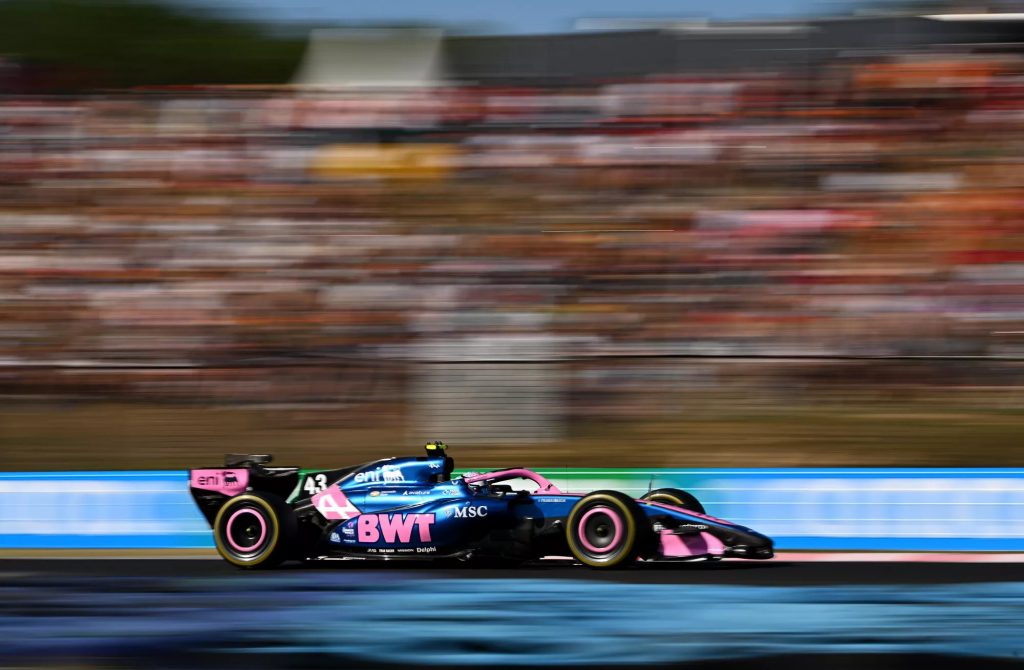
6th: Alpine
Driver Line Up: Pierre Gasly (#10), Franco Colapinto (#43)
Shedding their status as a works team to become a customer proved to be a controversial decision, but one that has paid off in 2026.
While they haven’t miraculously vaulted into the championship fight, holding sixth place at the summer break represents a much-needed stabilisation for the French outfit. The A526 has proven to be a competent, if slightly uninspiring, midfield challenger — one that relies more on baseline consistency than blistering outright pace.
The bulk of their points have come from capitalising on the misfortune of those ahead rather than outright beating them on track. Early-season struggles with tyre warm-up left them vulnerable during qualifying, often forcing them into recovery drives on Sunday. However, a targeted suspension upgrade introduced ahead of the European leg helped unlock better mechanical grip, allowing them to finally start taking the fight to Racing Bulls for fifth in the Constructors’ standings.
In the cockpit, Pierre Gasly has fully embraced his status as the undisputed team leader, wringing every ounce of performance out of the chassis and delivering mature, calculated drives. Alongside him, Franco Colapinto’s relentless racecraft and Sunday overtakes have breathed fresh, combative energy into the garage, proving he is more than ready for this new era of Formula 1.
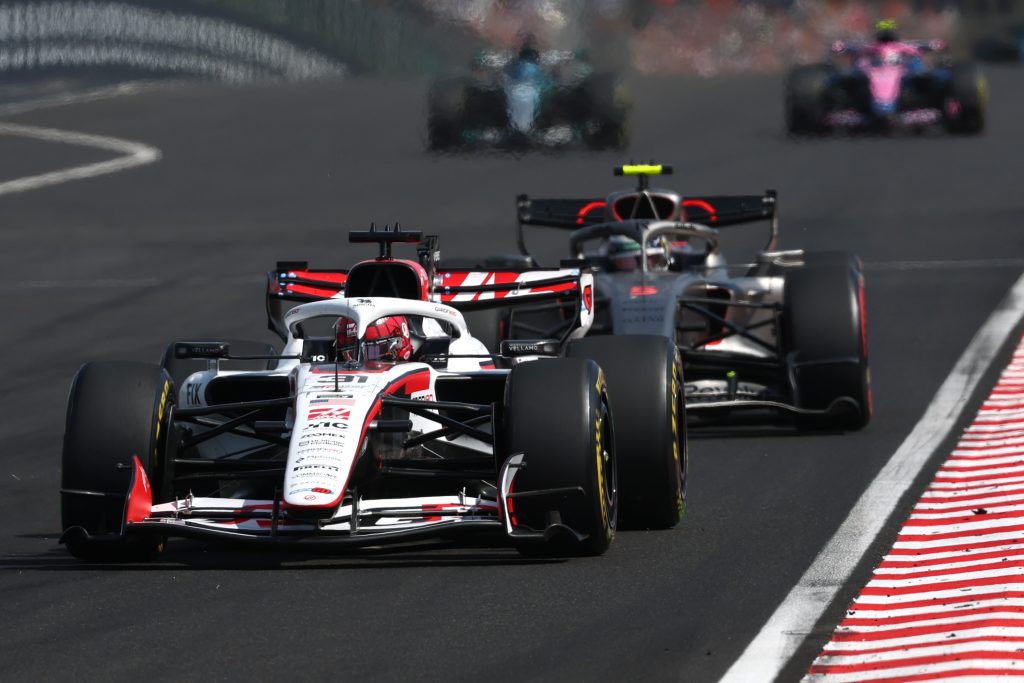
7th: Haas
Driver Line Up: Esteban Ocon (#31), Oliver Bearman (#87)
Backed by their technical partnership with Toyota Gazoo Racing (TGR), Haas entered 2026 with a strong baseline that allowed them to quietly build a highly functional challenger. Still, Team Principal Ayao Komatsu has been candid about their operational ceiling.
Haas remains the only team not operating at the US$215 million budget cap. With a workforce of around 400 people juggling multiple roles, Komatsu admits his engineers are fighting with both hands tied in the development race. Consequently, they have had to rely on early-season reliability, rather than frequent upgrades, to hold seventh place over heavily backed operations like Aston Martin and Audi.
Esteban Ocon provides the exact stability the under-resourced team needs. Now in his second year with Haas, the Frenchman has routinely dragged the VF-26 into Q2 and defended points-paying positions on Sundays. His signature defensive driving and tyre management form the backbone of the team’s points tally.
Alongside him, Oliver Bearman has stepped up impressively in his sophomore campaign. With his rookie season behind him, the British driver has a much firmer grasp on the complex energy harvesting demands of the 2026 power units.
While the team’s operational bottlenecks — such as the communication breakdowns seen in Barcelona — have occasionally compromised his qualifying sessions, his Sunday racecraft is undeniable. Bearman is consistently executing clean overtakes and steadily cutting the pace deficit to his experienced teammate, establishing a balanced and highly effective dynamic for the American outfit.
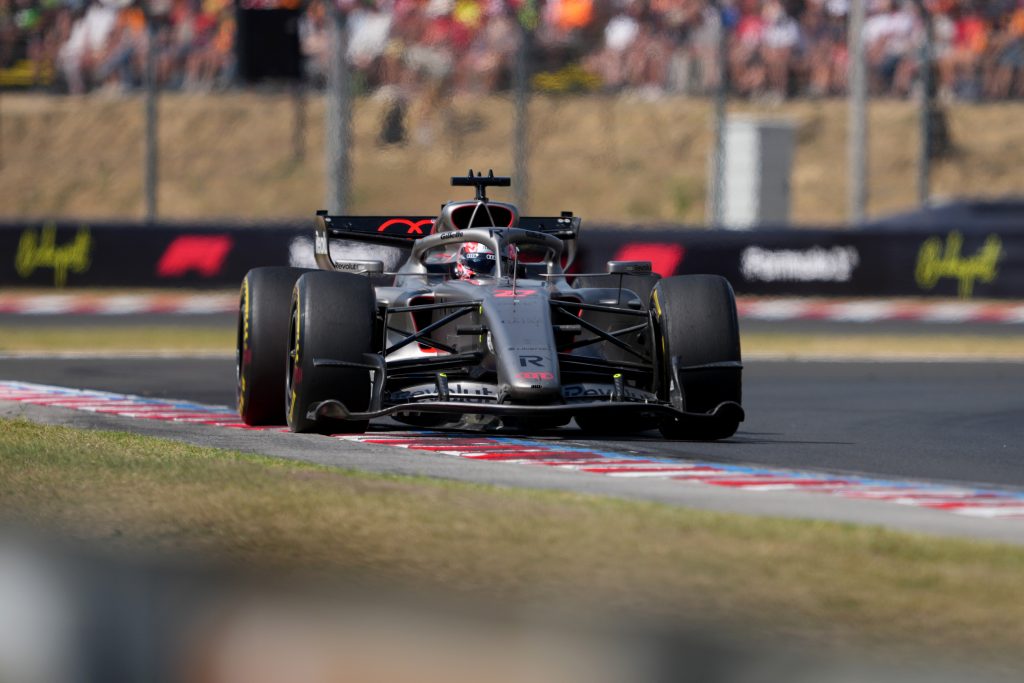
8th: Audi
Driver Line Up: Nico Hulkenberg (#27), Gabriel Bortoleto (#5)
Audi’s arrival as a fully-fledged works team carried massive expectations and a budget to match. Naturally, the German manufacturer expected to fight at the sharp end of the midfield.
Instead, they sit eighth in the Constructors’ standings at the summer break. The transition from Sauber into a factory operation has exposed deep growing pains as engineers struggle to harmonise their new in-house power unit with a chassis that lacks baseline mechanical grip.
On track, Audi has routinely found themselves out-raced by much smaller operations. Their inability to turn financial muscle into lap time becomes glaring when compared to Haas, an under-resourced team that has maintained a lead over them simply through better early-season reliability and sharper trackside execution.
In the cockpit, the driver pairing has been forced to overcompensate for the car’s limitations. Nico Hulkenberg continues to use his vast experience to wrestle the unpredictable package into Q2, though defending those positions on Sundays often proves impossible.
Alongside him, Gabriel Bortoleto is navigating a bruising baptism of fire. The young Brazilian has shown genuine flashes of raw speed and combative racecraft, but he has spent the bulk of his campaign managing an undeveloped car rather than fighting the midfield battles Audi initially promised.
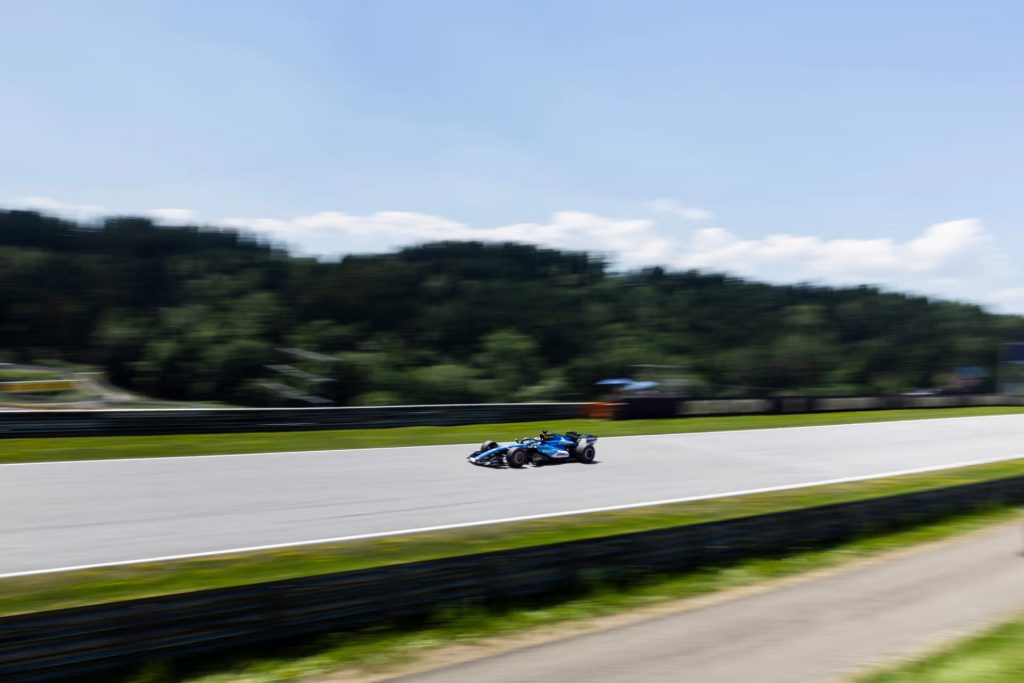
9th: Williams
Driver Line Up: Carlos Sainz (#55), Alexander Albon (#23)
Williams spent the last two years sacrificing short-term development to focus entirely on the 2026 regulation reset. When they signed Carlos Sainz to partner Alexander Albon, expectations were sky-high that the Grove outfit would disrupt the midfield.
Instead, their 2026 challenger emerged severely overweight, compromising lap time, apex speeds, and tyre life, leaving them a disappointing ninth in the standings with a meagre 11 points.
Despite boasting a class-leading Mercedes power unit, the chassis fundamentally lacks baseline downforce and mechanical grip. This conceptual flaw neutralises their straight-line advantage, making the car nervous and unpredictable through high-speed sections.
On high-downforce circuits like Hungary, these aerodynamic deficits are brutally exposed, regularly trapping both drivers in Q1 and forcing them to rely on race-day attrition rather than pure pace to score points.
For Carlos Sainz, the reality of 2026 has been a harsh eye-opener. Transitioning from a multi-podium campaign in 2025 to a car plagued by reliability issues has been frustrating, with the Spaniard recently admitting on Williams’ official Team Torque podcast that they are unlikely to meet their targets for the rest of the year.
Still, the driver pairing remains Williams’s greatest asset. Sainz and teammate Alexander Albon continue to extract whatever performance they can through sharp tyre management and precise technical feedback, but the undeniable talent in the cockpit is currently trapped in survival mode.
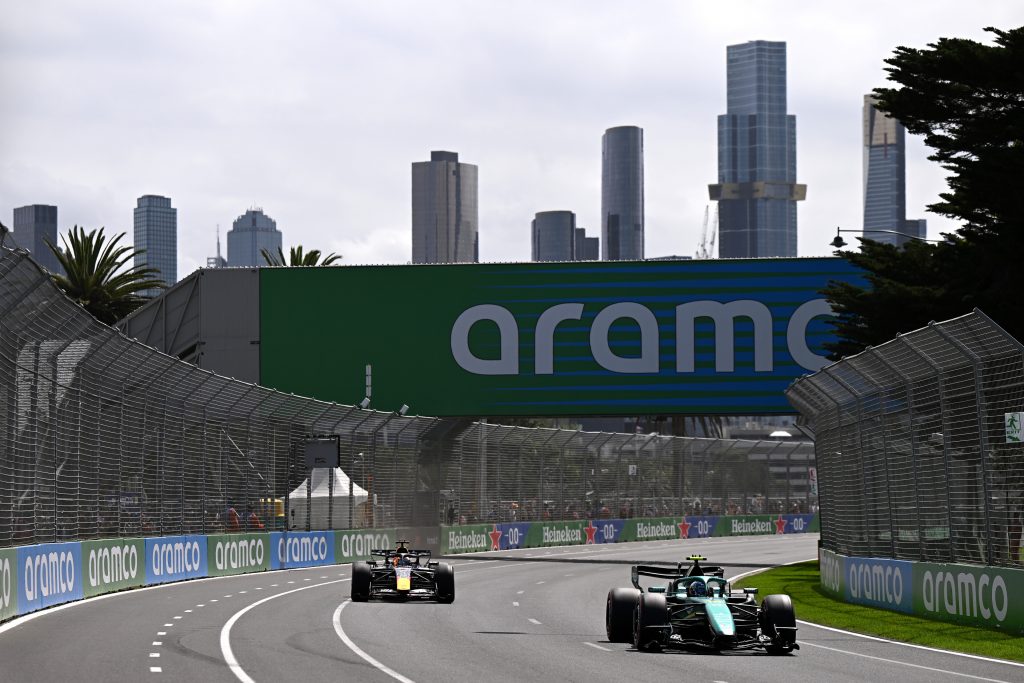
10th: Aston Martin
Driver Line Up: Fernando Alonso (#14), Lance Stroll (#18)
Aston Martin’s 2026 campaign began as an exercise in survival. Crippling vibrations linked to their new Honda power unit integration left the team on the back foot from the opening round in Australia.
For much of the first half of the season, outright pace became a secondary concern — engineers simply worried whether the AMR26 could survive a full Grand Prix distance. Trapped in a fragile chassis, Fernando Alonso and Lance Stroll spent the early rounds fighting a losing battle, suffering ten retirements across the garage in just 11 races.
Alonso remains the sole points scorer, securing a tenth-place finish in Monaco through sharp racecraft and an aggressive strategy. While the Spaniard routinely extracts whatever performance the compromised package offers, both drivers frequently found themselves at the mercy of sudden mechanical failures.
Relief finally arrived right before the summer break. A comprehensive B-spec redesign introduced in Hungary tackled the fundamental flaws holding the car back. This major overhaul cured the worst of the vibration issues and instantly slashed their lap time deficit by a massive two seconds.
The result? Alonso secured Aston Martin’s first Q2 appearance of the year, while Stroll delivered a clean drive to thirteenth. It remains a difficult campaign, but the new package proves the team has stopped the bleeding and can finally race on merit.
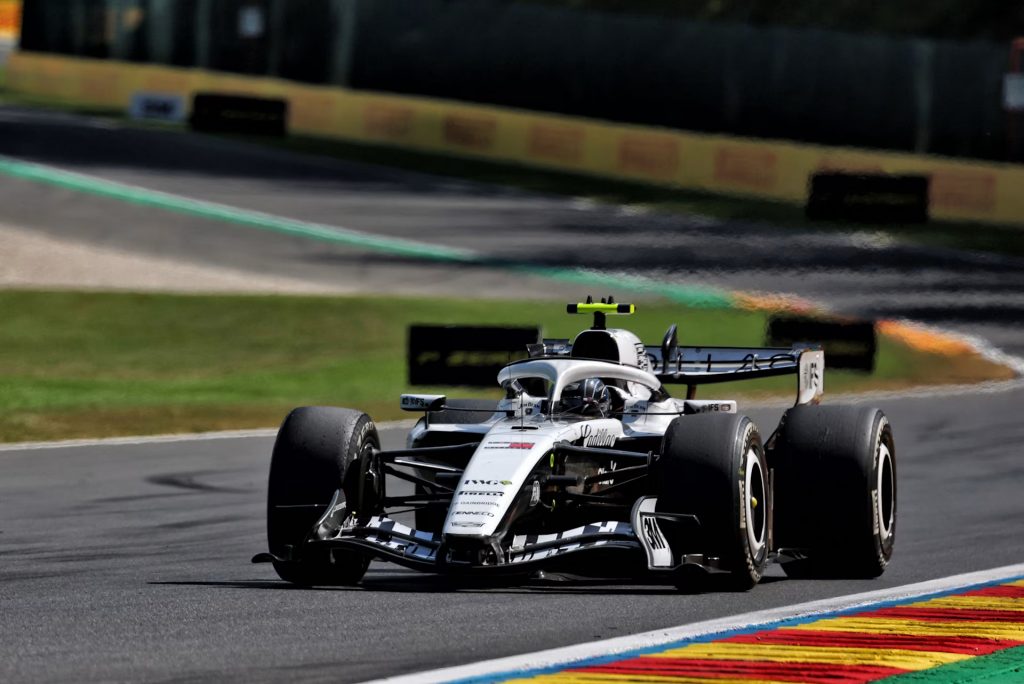
11th: Cadillac
Driver Line Up: Sergio Perez (#3), Valtteri Bottas (#77)
Entering Formula 1 as a brand-new outfit is a massive undertaking. Attempting it during a sweeping regulation reset only steepens the climb.
Cadillac arrived in Australia with immense fanfare as the grid’s first new addition in a decade, but their debut campaign serves as a quick reality check. Building a trackside operation from the ground up takes time, and the American squad finds itself firmly anchored to the back of the pack.
The initial chassis lacks baseline downforce and mechanical grip to challenge established midfield runners. To offset this deficit, Cadillac leans on their deeply experienced driver pairing.
Sergio Perez and Valtteri Bottas provide exactly what a startup operation needs: precise technical feedback and calm problem-solving. Yet, both veterans routinely face elimination in Q1, unable to out-drive a car still in its infancy.
Results at the summer break reflect an outfit focused entirely on data gathering. Sitting eleventh in the constructors’ standings with zero points, Cadillac treats these early rounds as extended test sessions.
Mechanical teething issues and sudden faults regularly compromise their weekends. While Perez and Bottas occasionally extract flashes of defensive race craft on Sundays, the immediate priority remains fixing reliability and establishing a solid foundation for the remaining calendar.
*
Formula 1 returns August 23rd in Zandvoort.
Featured Image Credit: Red Bull Content Pool