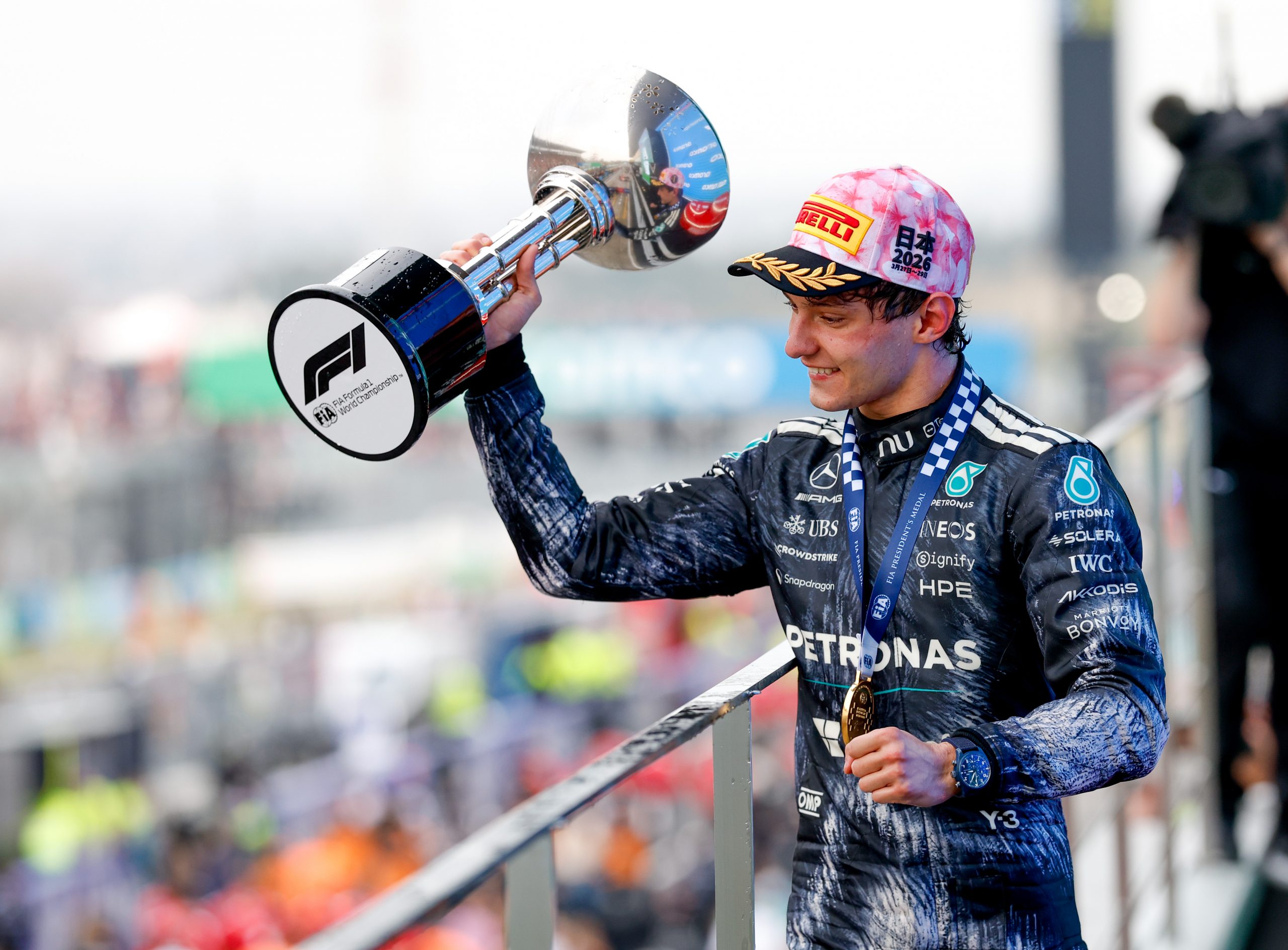
Mercedes left Suzuka with another statement win at the Japanese Grand Prix. But the weekend’s real headline sat deeper than the podium. Energy management now shapes speed, strategy, and safety in equal measure.
Kimi Antonelli converted pole into victory and the championship lead, while Oscar Piastri finally got a clean Sunday under his belt and delivered McLaren’s first proper payoff of the season – and a massive shunt for Oliver Bearman dragged the “closing-speed” debate out of the paddock and into the barriers.
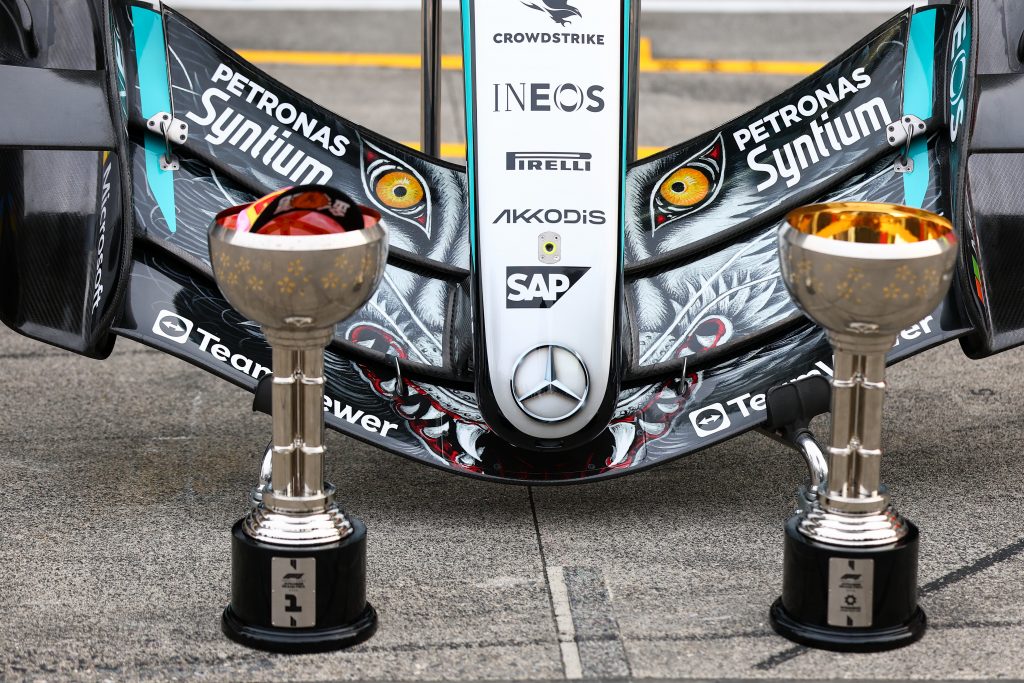
Antonelli takes control of the narrative
Suzuka did not crown a champion, but it crowned a new reference point. Kimi Antonelli took pole, won the race, and left Japan as the youngest-ever driver to lead the standings. The result reads like control. The process did not.
Antonelli admitted the messy part himself:
“I had a terrible start… I was lucky with the Safety Car… the pace was incredible.”
That honesty matters, because the win hinged on two truths at once: timing helped, but speed finished the job.
Mercedes underlined the same balance in its own debrief. The team called the Safety Car “fortunately timed,” then pointed to Antonelli’s second-half pace as the real separator once clean air arrived. Suzuka used to punish anyone who leaned on fortune. This year, it rewarded whoever could convert it fastest.
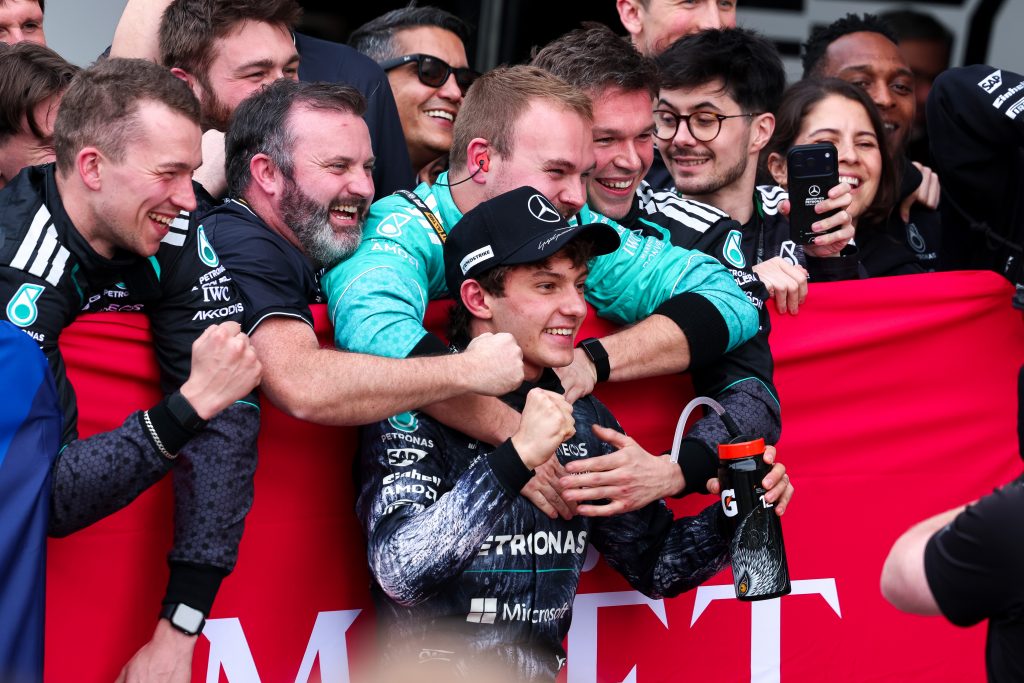
McLaren finally gets a Sunday
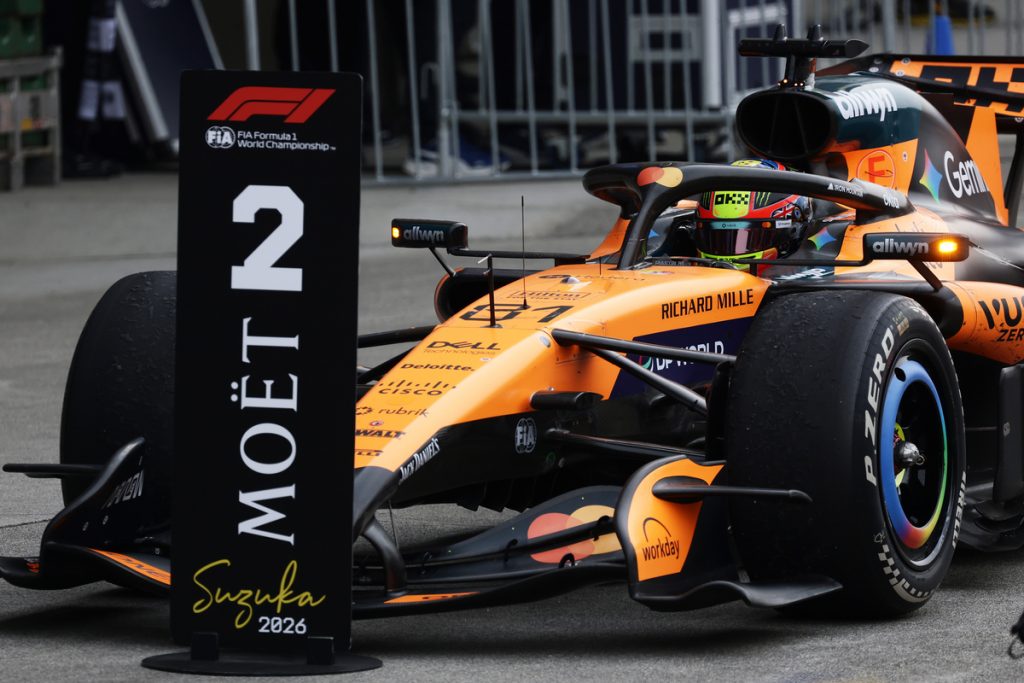
For Oscar Piastri, Suzuka felt less like a podium and more like a reset. After two non-starts to open the year, he finally lined up, finally raced, and finished in second. The punchline came straight from the cockpit:
“We do alright when we get to start!”
McLaren still need lap-time. Piastri said it plainly: “We clearly still need to find a bit of performance.” Yet Suzuka showed the difference between a flawed package and a broken one. The car stayed in the fight, and the team executed with what it had. That already marks progress in a season that began with frustration.
It also reframed the early championship story. Mercedes still look like the benchmark, but McLaren finally placed two cars in the points fight and put one on the rostrum. In a rules cycle where energy state can swing lap-to-lap performance, simply getting a “normal” race weekend back may prove more valuable than any single upgrade.
Ferrari leave with points, not answers
Charles Leclerc stood on the podium, but he did not pretend it felt comfortable.
“It was a bit of a sweaty one… the Safety Car, we got a little bit unlucky.”
That line captured Ferrari’s Suzuka: enough pace for P3, not enough control over the moments that decide P1.
On paper, Ferrari leave with a clean return: third for Leclerc, sixth for Lewis Hamilton. In reality, they watched Mercedes absorb the Safety Car swing and still finish the race with clear air and the fastest lap. Ferrari did not implode. That counts. But Suzuka did not mislead either. They still need more than “solid” to beat a team that already wins while admitting it has weaknesses.
Ferrari’s more subtle problem sits in the new rhythm of 2026. Energy management makes the car quick in bursts, then vulnerable in the wrong places. Leclerc described the race as tyre management and damage limitation after the Safety Car reshuffled the order. At Suzuka, that approach can bank points. It rarely steals wins.
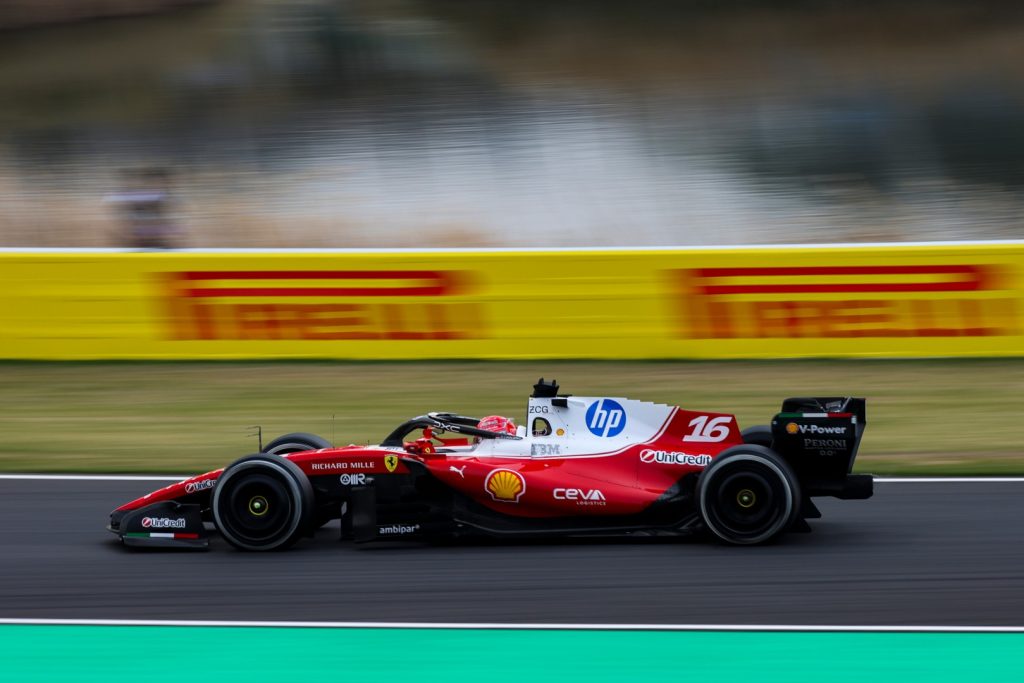
Third-place Leclerc at Suzuka Circuit; Photo Credit: Scuderia Ferrari
Red Bull meet a new Suzuka
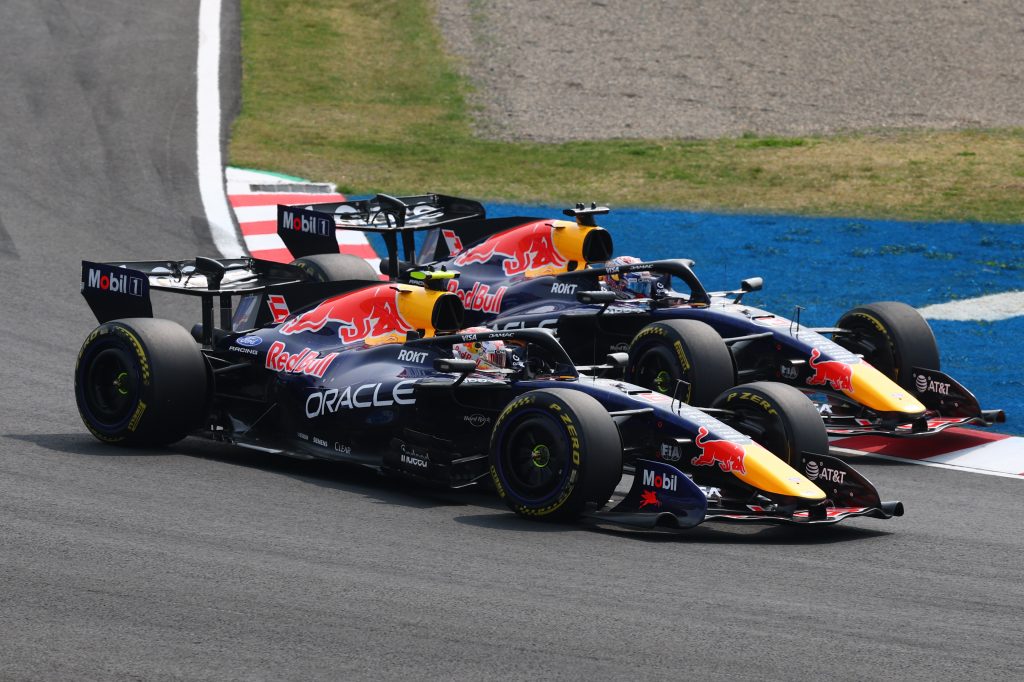
Max Verstappen finished eighth. That sentence alone would have sounded strange at Suzuka in recent years. The weekend started with more warning signs than fireworks, as he reported “unreal understeer” and gearbox-related frustrations across Friday’s running.
Qualifying then sharpened the message. Verstappen did not even reach Q3, and Japan’s grid order placed him outside the top ten places where clean air and clean energy plans become easier to sustain. The race brought him points, but not momentum, and Suzuka’s timing data did not flatter the comeback. Pierre Gasly finished ahead, and Verstappen crossed the line only narrowly in front of the midfield compression behind.
The larger issue is structural. The new power-unit era forces teams to manage deployment and harvesting so precisely that a car with balance issues does not merely slide—it drops into the wrong energy windows. Suzuka used to reward drivers who never lifted. Now it can punish anyone whose car forces them into the wrong kind of lift.
Bearman’s crash forces the issue
The weekend’s defining moment arrived with carbon fibre and silence. Oliver Bearman crashed heavily after a high-speed closing phase on Franco Colapinto, registering an impact of around 50G. The Briton escaped without major injury, but the incident left more than just debris on the Suzuka asphalt.
It exposed a problem the paddock has been quietly circling since the new regulations arrived.
This did not look like a simple driver mistake. Instead, it reflected a growing concern around closing speeds created by uneven energy deployment. One car attacks with a full battery. Another lifts, harvests or protects its state. The speed delta becomes unpredictable, and in certain scenarios, unavoidable.
That risk had already been flagged.
Carlos Sainz, now a key voice within the GPDA, revealed that drivers had warned the FIA about exactly this type of accident. The concern was not theoretical. It was inevitable.
“As the GPDA, we’ve warned the FIA that these accidents are going to happen,” Sainz said. “It was 50G. Just imagine what kind of crash you would have in Vegas or Baku.”
The warning carries weight. Street circuits with longer straights and heavier braking zones would amplify the same effect. What happened at Suzuka could look far worse elsewhere. Even before the race, the tone had been set.
Fernando Alonso described modern overtaking as “random”, driven more by battery state than driver execution. In his view, it is no longer about crafting a move, but surviving the moment when two cars meet with mismatched energy levels.
The FIA has already confirmed a structured review and scheduled discussions in April. However, the pressure is building quickly. Drivers are no longer raising concerns in theory. They are pointing at evidence.
Suzuka may not have produced the worst-case scenario.
But it may have come close enough to force the sport to act.
Final thoughts
Suzuka delivered a clean-looking winner and a messy-looking truth.
The clean part: Mercedes still lead the sport’s new era, and Antonelli already drives like someone who expects to win even when the weekend does not behave. He knows the Safety Car helped. He also knows the car’s pace finished it. That blend of honesty and execution usually defines champions long before the table does.
The messy part: 2026 has re-written the definition of “slow” and “fast.” One lap can contain two different categories of speed depending on what the battery does at the end of a straight. The FIA already adjusted qualifying harvest limits for Japan, and the paddock now faces a bigger question: how much “energy theatre” can the sport tolerate before it becomes a safety problem, not just a sporting one.
McLaren’s Suzuka hinted at a second storyline worth watching. Once the team simply got a normal Sunday, it immediately looked capable of living on the podium. That matters in a season where reliability and operational calm may decide as much as raw downforce.
Now the calendar offers a pause, and multiple stakeholders head into April meetings with real crash evidence, not hypothetical graphs. If the opening races taught the grid anything, it is this – in 2026, performance and safety share the same battery.
Feature Image Credits: Mercedes AMG Petronas F1 Team