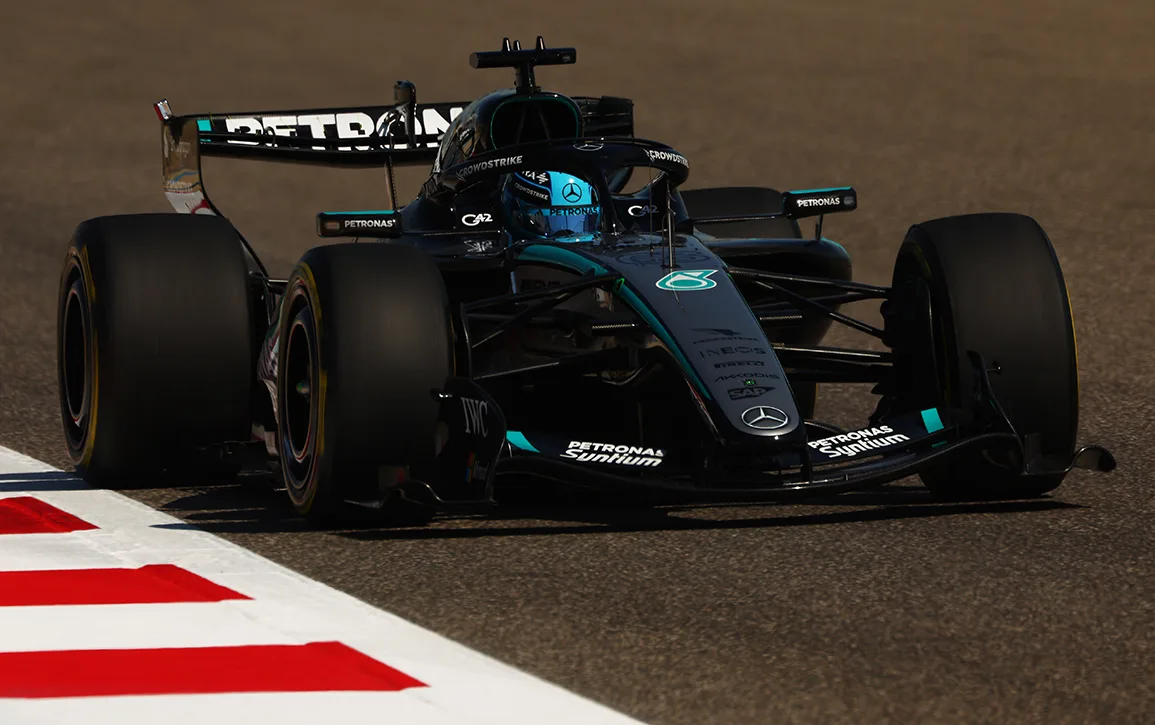
Pre-season testing has concluded in Sakhir. But which stories topped the headlines ahead of the 2026 season opener, the Australian Grand Prix?
Formula One prepares to head into a new era of the sport, one which significantly changes the aerodynamic landscapes of the car. Alongside new regulations, there’s been a complete rebrand for Sauber – now named Audi – and the newest addition to the grid, Cadillac. But, before the lights go out in Melbourne on March 8th, the grid underwent three separate testing sessions to get a feel of their latest contenders. Here are the top stories that unfolded during testing:
Ferrari stuns the paddock
As the cars began rolling out into the burning heat of the desert, one thing stood out: Ferrari’s newest innovation. Mercedes’ ratio compression stole the spotlight in the first week of testing. But it was the Prancing Horse who turned heads in the following week.
Ferrari showcased its interesting ‘blown’ winglet innovation. This connects the diffuser to the rear wing of the car meaning it stays mounted at all times. While some initial questions were raised about this addition, reports stated the team had received FIA approval. Interestingly, it would be legally impossible for other teams to adapt to this concept without having to completely re-design the car.
But, this wasn’t the only technical innovation Ferrari unveiled. The following day the only noticeable difference was Lewis Hamilton’s SF-26 was missing the actuator in the middle. However, the concept became clear once Hamilton went into straight mode and the rear wing flipped 180-degrees. The design caught teams off guard as they all opted for their rear wings to open like the previous DRS flaps. Fred Vasseur was keeping the cards close to his chest in the post-session interview, bluntly stating he doesn’t know if the team will keep the idea on its car:
“It’s true that the last two bits that we bought on track were visible from outside, but it’s not a big difference with the others. I don’t know if it will be for Melbourne or for the next one [in China].” – Fred Vasseur, to media outlets in Bahrain.
The team recorded the fastest lap of the whole three days with Charles Leclerc posting a time of 1:31.922. This has provided a piece of hope for the Scuderia that they may be in with a chance of race wins and podiums after a lacklustre 2025 season.
Aston Martin’s woe’s worsen
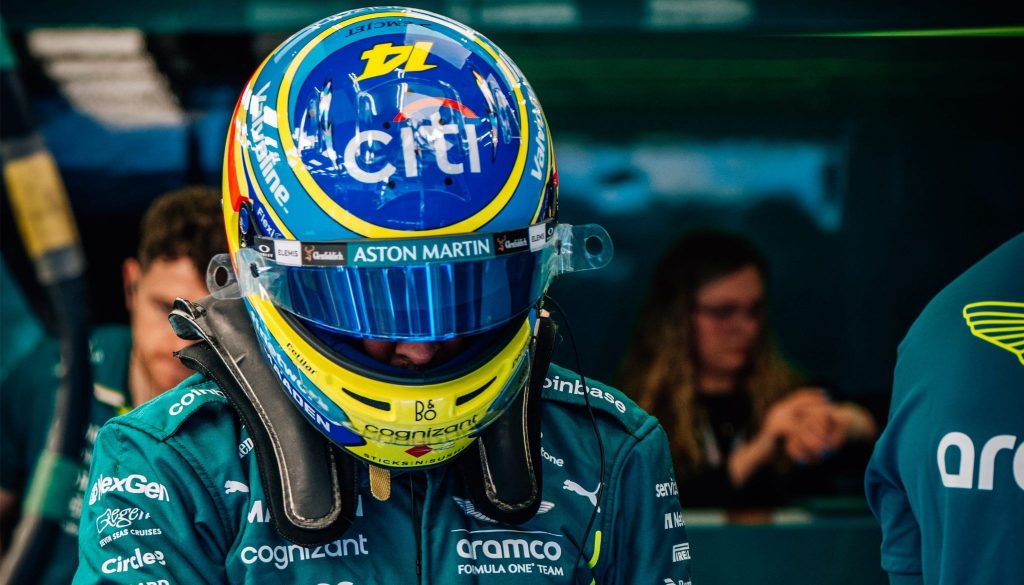
The Silverstone-based team was the main headline in the news, but for all the wrong reasons. Aston Martin came into the season with the most anticipation surrounding them, with historical designer Adrian Newey joining the team as team principal. But, as pre-season testing has progressed, significant struggles have been plaguing the team. The team only managed 128 laps throughout the whole three days. Six of those laps were run on the entire final day of testing.
After the team spent four hours fixing a power-unit issue in the garage, Lance Stroll hit the track in the afternoon session. However, the running time didn’t last long after Stroll’s AMR26 snapped to the left at Turn 1, bringing out the red flags. During the replays, it appeared the car lost drive as Stroll dropped the gears heading into the corner. The incident added further looming questions as to what is going on with the car.
Power-unit issues continue to plague the team
Thursday started optimistically with Fernando Alonso able to complete 68 laps, gathering some crucial data the team had been missing in the process. But it all came crashing down in the afternoon session as the Spaniard came to an abrupt stop on the track.
The following day Aston Martin’s testing came to a bitter close as Honda released an emergency statement. The supplier confirmed power-unit issues for the AMR26, resulting in reduced running on the final day of testing.
“Our last run with Fernando Alonso yesterday showed a battery-related issue that impacted our test plan with the Aston Martin Aramco Formula 1 Team. Since then, we have been carrying out simulations on the test bench in HRC [Honda Racing Corporation] Sakura. Due to this and the shortage of power unit parts, we have adapted today’s run plan to be very limited and consist only of short stints.” – Honda
With the little lap times they had under their belt, the team was over four seconds off the pace. The fastest lap time for the team came from Stroll who clocked in a 1:35.947 on day one of testing. The issues surrounding its power-unit continue plaguing the team as the team reportedly are unsure if it will make the first race in Australia. This all must come as agonising deja vu for Alonso. He experienced Honda when it was underprepared entering into the sport with McLaren. On that occasion, the Spaniard was unable to compete for race wins and podiums for three seasons.
The top four is firmly locked into place
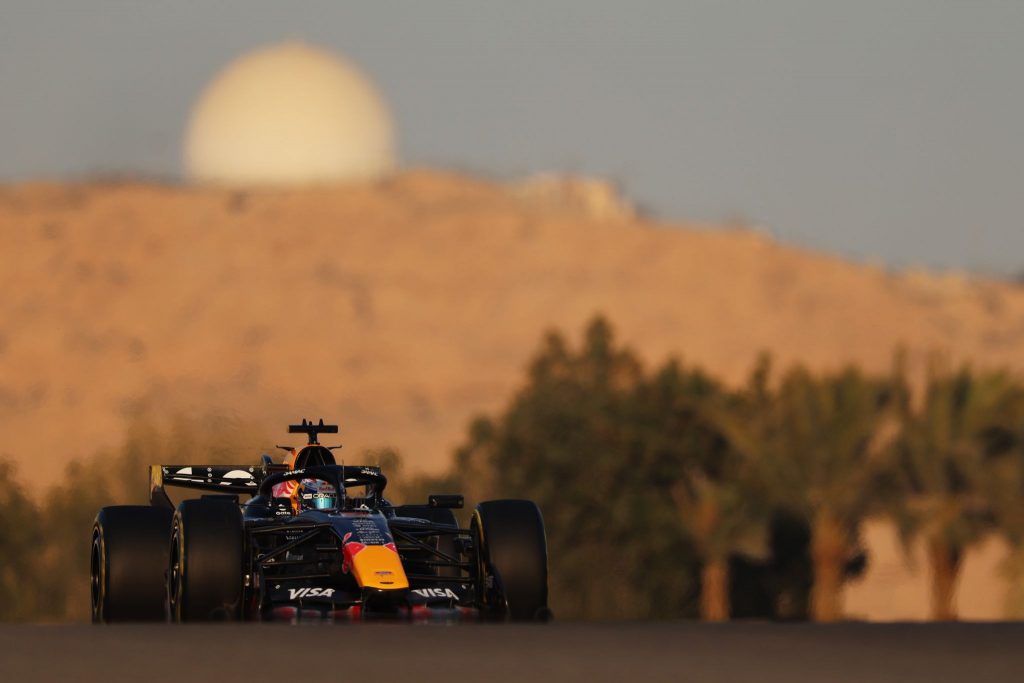
On the opposite end of the board, the closing testing session gave a respective idea of the top four for the season; Mercedes, Ferrari, Red Bull and McLaren.
Mercedes have been marked as the bookers favourites to snatch a title in 2026. The Brackley-based team dominated in the Barcelona shakedown. But they faced some early hiccups heading into testing with the team changing its power-unit twice and some mechanical gremlins hurting the teams time.
Mercedes opted to not run a proper race simulation during the final three days of testing, making the team much harder to read in regards to its proper pace. But, Kimi Antonelli snatched the second fastest time overall with a 1:32.803 during the second day of testing.
A strong outing for McLaren and Red Bull
McLaren remained strong posting some encouraging times with Oscar Piastri third overall fastest with a 1:32.871. His teammate, Formula One’s latest world champion, was a tenth behind. Much like the rest of the grid team the team struggled with frequent lock-ups and the occasional hiccup with Lando Norris losing crucial track time due to a cooling issue. Despite this, the pair clocked in an impressive 395 laps throughout the three day stint. However, fuel-loads and engine modes are easily masked in testing; the pecking order won’t become clear until qualifying for the Australian Grand Prix.
“Where we are in the pecking order? I don’t know…It kind of looks like the top four teams are still the top four teams, but I don’t know where exactly we sit in that at the moment.” – Oscar Piastri
Red Bull clocked in 329 laps over the three days. Max Verstappen ran the majority of those laps as new teammate Isack Hadjar’s mileage time was hindered by reliability issues. Verstappen had the fifth fastest time overall with a 1:33.109. But the Dutchman made it clear to the media that there is still a lot of work to do before the lights go out in Melbourne.
“I think it is quite obvious, of course, that there is still quite a bit of work to do for us to be faster so this is something we will be working on. Let’s see what we get in Melbourne: it will be great to be back racing but we still have to work hard.” – Max Verstappen
Alpine set to lead the midfield
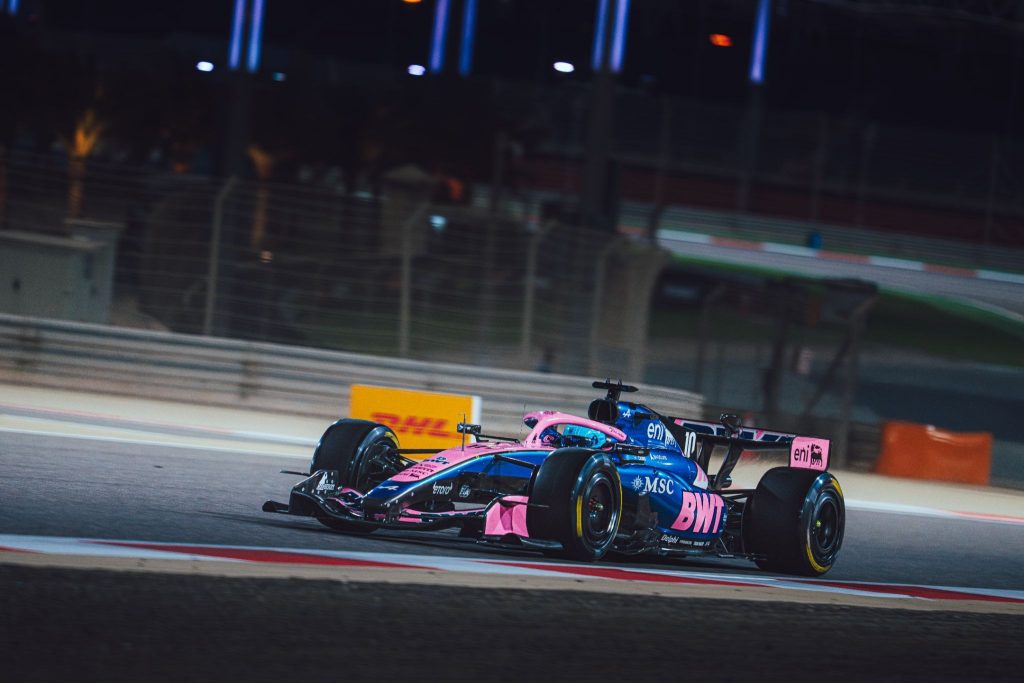
After a disappointing 2025 season and focusing all its attention to 2026, Alpine look set to be at the front of the midfield come the start of Australia. The team finished at the bottom of the grid last season with only 22 points. But in testing, Alpine have made a significant jump into the midfield.
In 2024 it was announced that a partnership had been secured with Mercedes with Alpine beginning to use its power-units and gearbox’s from 2026 until at least the end of 2030.
The change seems to have been consequential as they managed to run over 1000 laps over the period of the two week test. While few issues were evident in the earlier sessions, Pierre Gasly recorded a time of 1:33.421 placing him the eighth fastest overall. Franco Colapinto was four tenths behind in 11th, rounding out a successful test.
With testing now complete, all eyes are on March the 8th, when the lights go out in Melbourne and the 2026 season gets underway, who will finish on top?
Feature Image: Mercedes AMG Formula 1 Team