Formula 1 may not have raced, yet the past days have quietly reshaped the direction of the sport. From key personnel changes to technical pressure points and long term investments, the foundations of the next era are already shifting.
Meanwhile, feeder series expansion and early talent moves reveal how deep that transformation runs. And with the first ADUO decisions approaching, the balance of power may soon begin to change.
Lambiase exit signals deeper shift inside Red Bull structure
Max Verstappen will lose more than a race engineer in 2028. He will lose the voice that defined an era.
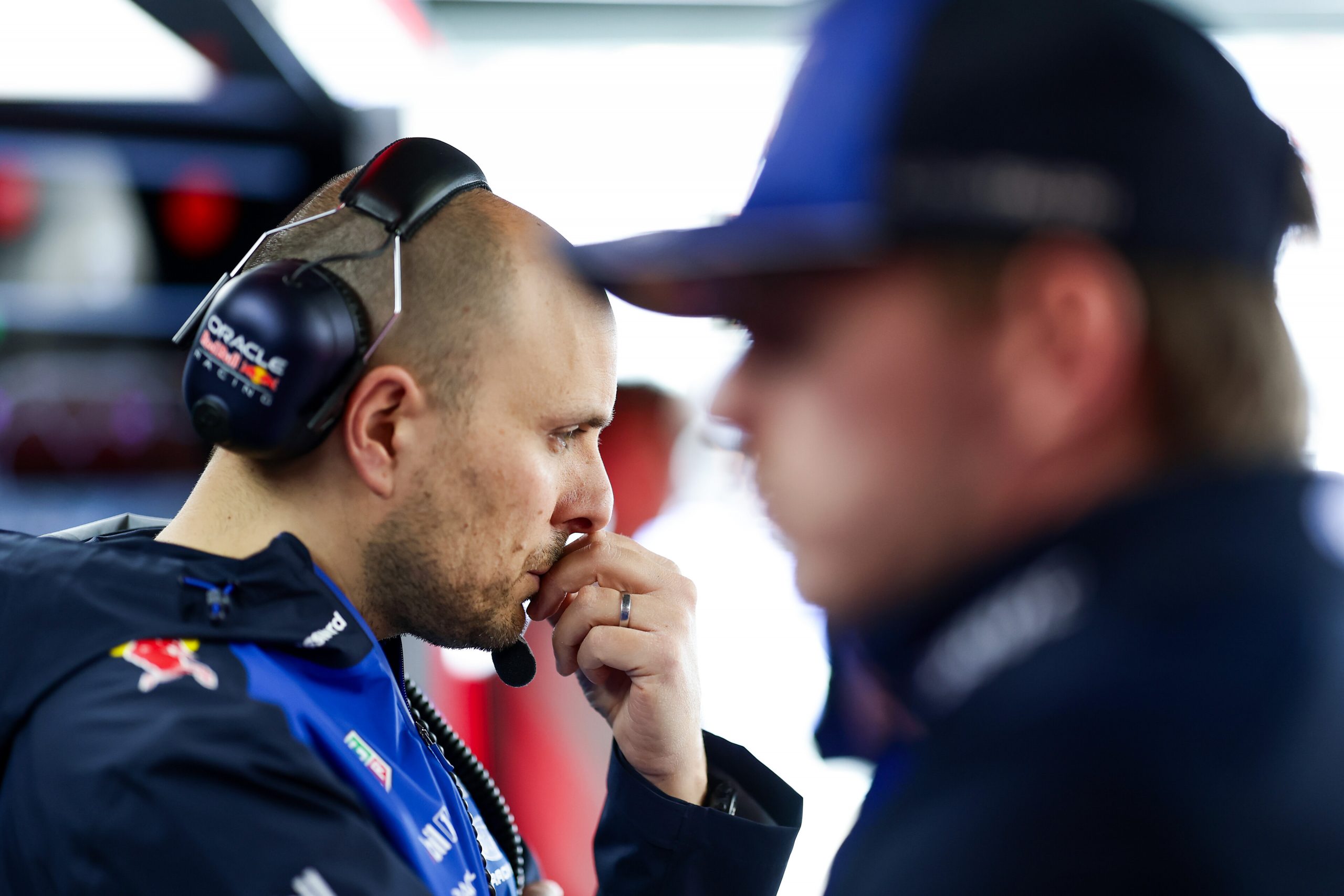
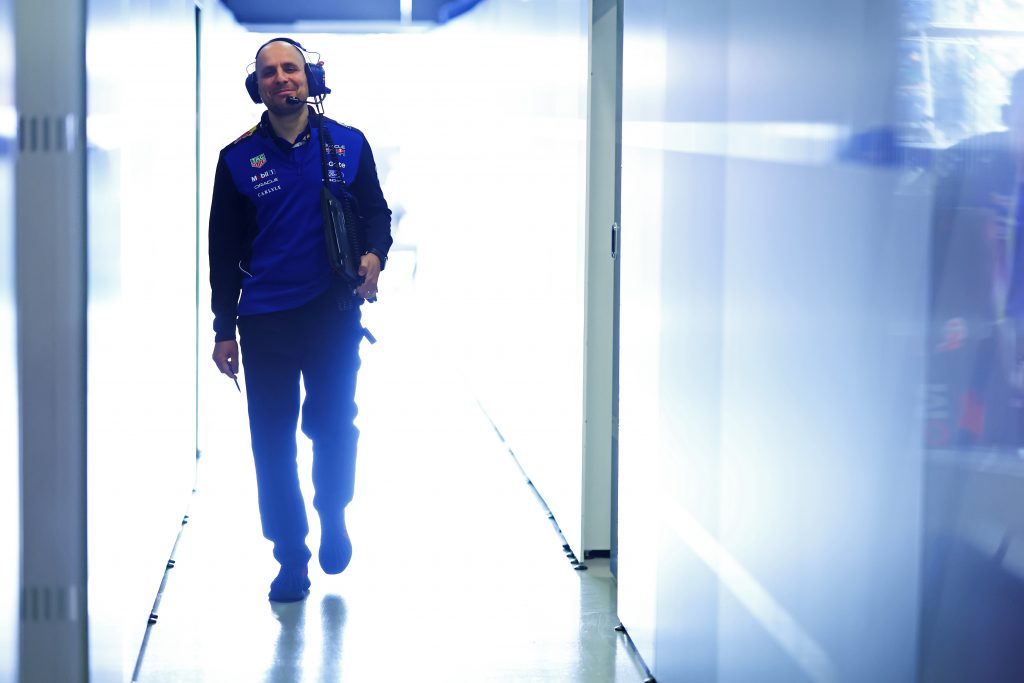
Gianpiero Lambiase has been confirmed to leave Red Bull at the end of his current contract and join McLaren as Chief Racing Officer. The move may sit three seasons away, yet its impact already feels immediate.
Since 2016, Lambiase has been the constant in Verstappen’s rise. Their partnership, forged when the Dutchman stepped up from Toro Rosso, became one of the most recognisable driver engineer pairings in modern Formula 1. More importantly, it delivered results. Titles followed. So did a reputation for precision, trust, and controlled aggression on the radio.
However, this is not just a departure. It is a structural shift.
Lambiase currently operates as both race engineer and Head of Racing at Red Bull Racing, placing him at the centre of decision making on and off the pit wall. His exit therefore removes not only technical expertise, but also operational stability within the team’s inner circle.
Meanwhile, McLaren continue to build quietly but decisively. The arrival of Lambiase follows earlier high profile hires such as Rob Marshall and Will Courtenay. As a result, the Woking based squad strengthens the very core of its race team structure, allowing Andrea Stella to redistribute responsibilities more effectively.
Consequently, this move signals more than a personnel change. It highlights a shift in momentum.
Red Bull must now prepare for life without a key architect of its success. At the same time, McLaren are assembling a structure designed not just to compete, but to sustain a championship challenge over the long term.
New ADUO rules place engine performance under constant review
Formula 1’s new era is not defined by power units alone. Instead, a quieter system may prove just as decisive.
The ADUO framework, introduced by the FIA, is designed to prevent long term engine dominance without directly slowing the frontrunners. Rather than imposing limits, it offers targeted opportunities to those who fall behind.
At its core sits the ICE Performance Index. This metric compares each manufacturer to the benchmark engine across defined periods. Once the gap is established, the system reacts. A deficit between two and four percent unlocks one upgrade. Anything beyond four percent grants two. However, these upgrades must be used within the same window, ensuring short term recovery instead of long term stockpiling.
Consequently, ADUO shifts the philosophy of development.
Under previous eras, teams often had to wait an entire season to close the gap. Now, the possibility exists to respond within months. That alone could prevent the kind of runaway advantage that has defined multiple F1 cycles.
Early indications suggest that Mercedes may hold the initial reference point. Their package appears the most complete, which places rivals in position to benefit from the system. Meanwhile, Red Bull Racing face a different scenario. With a competitive power unit but underlying car instability, they may receive no ADUO support while still needing to solve balance and weight limitations.
As a result, the system does not equalise everything. It exposes weaknesses.
Looking ahead, ADUO becomes more than a regulation. It becomes a pressure point. If applied effectively, it could sustain competition across the season. If not, it risks creating a new layer of imbalance. Either way, the first evaluations will offer a clear signal of how this era will truly unfold.
Formula 2 expands into North America as calendar shift reshapes early season
The championship has confirmed that Miami and Montreal will host Rounds 2 and 3 of the 2026 season, marking its first ever races in North America. The move follows the cancellation of Bahrain and Jeddah from the early calendar, forcing a rapid but strategically significant adjustment.
As a result, the series will race in Miami on May 1 to 3, before heading to Montreal on May 22 to 24. It then returns to Europe for Monaco, restoring a sense of continuity after a disrupted start.
However, this is more than a replacement. It is a statement.
By aligning directly with key Formula 1 markets, FIA Formula 2 Championship strengthens its position as a true global platform. The shift also places young drivers in front of a wider audience, particularly in the United States, where Formula 1 continues to expand aggressively.
Stefano Domenicali emphasised the importance of maintaining momentum, noting that restarting the season quickly was critical for teams and drivers. At the same time, FIA president Mohammed Ben Sulayem described the addition as an important step in the championship’s long term global growth.
Crucially, the change reflects a deeper evolution.
Formula 2 is no longer just a development category tied to Europe and the Middle East. Instead, it is becoming an integrated part of Formula 1’s commercial ecosystem. That shift brings opportunity, but also pressure. Drivers are no longer developing in relative isolation. They are performing on a bigger stage, under closer scrutiny, and with fewer margins to adapt.
Ava Lawrence signing reflects shift in driver development strategy
Aston Martin are not waiting for the future. They are trying to build it earlier than ever.
The team has confirmed that Ava Lawrence has joined the Aston Martin Driver Academy, marking one of the youngest additions to a Formula 1 development structure. At just 11 years old, Lawrence represents a shift towards ultra early talent identification.
Her results already justify the attention. She became the first female MENA Cup champion and has secured podiums across multiple international karting categories. In addition, she made history in both ROK Cup Italy and the COTFA International Series, underlining a profile built on consistent progression and breakthrough moments.
However, this move is about more than individual potential.
Lawrence arrives through the F1 Academy Discover Your Drive initiative, which continues to strengthen its link with Formula 1 teams. That pathway is becoming increasingly important as academies look to secure talent before rivals can react.
As a result, the timeline of development is changing.
Instead of identifying drivers in Formula 3 or even Formula 4, teams are now investing during the karting phase. This allows them to shape not only driving ability, but also technical understanding, media presence, and long term adaptability.
Aston Martin’s leadership has made that intention clear, emphasising the importance of guiding drivers from the earliest stages of their careers. Consequently, this is not a short term project. It is a long term bet on who might define the grid in the next decade.
FIA signals early tweaks to 2026 rules as pressure builds from drivers and teams
Formula 1’s new era is already being rewritten. And this time, the response has come quickly.
The FIA confirmed that initial talks over the 2026 regulations produced what it described as “constructive dialogue on difficult topics”, with a clear commitment to adjust key areas. The focus, unsurprisingly, sits on energy management, a concept that has defined the early phase of this generation.
However, the tone behind the discussions reveals more than the official statement suggests.
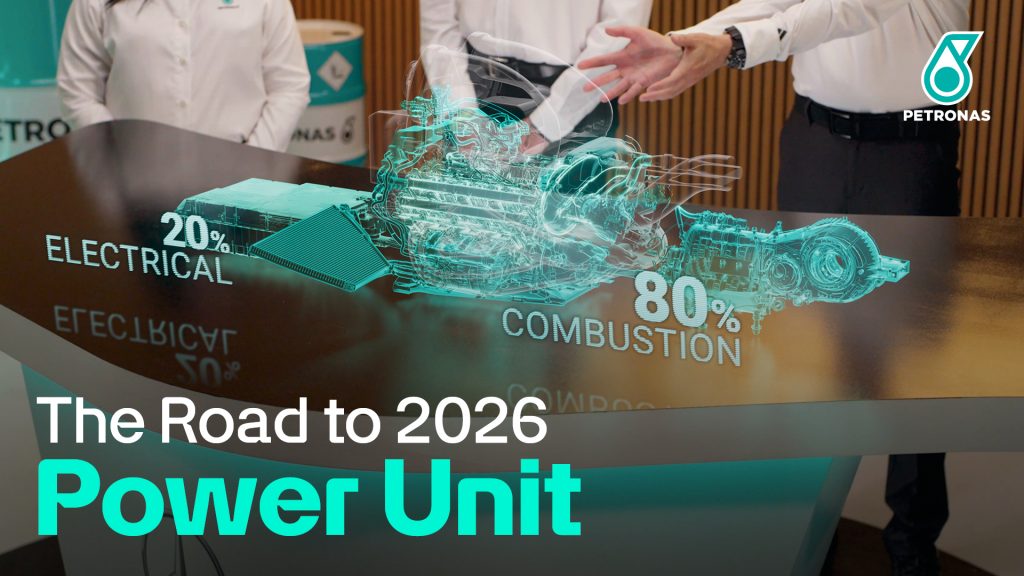
Drivers have raised consistent concerns over how the cars behave. With power units now split almost evenly between electric and combustion output, managing energy has become a dominant factor. As a result, drivers are often forced into early lift and coast phases, reducing confidence and altering the natural flow of racing.
Consequently, the issue is no longer theoretical. It is already affecting how Formula 1 looks and feels on track.
Voices such as Max Verstappen and Carlos Sainz have been particularly direct. Both questioned not only qualifying formats, but also the quality and safety of racing itself, especially in high speed environments where closing speeds continue to rise.
Meanwhile, the FIA has outlined a rapid timeline. Further meetings will take place across mid April, with potential changes expected before Miami. That urgency reflects the scale of the concern.
Ultimately, this is a critical moment.
Formula 1 introduced its most ambitious reset in decades. Yet within just a few races, it is already adapting. That does not signal failure. Instead, it highlights a reality the sport cannot ignore. When drivers question the product, the regulations must respond.
Feature Image: Red Bull Content Pool