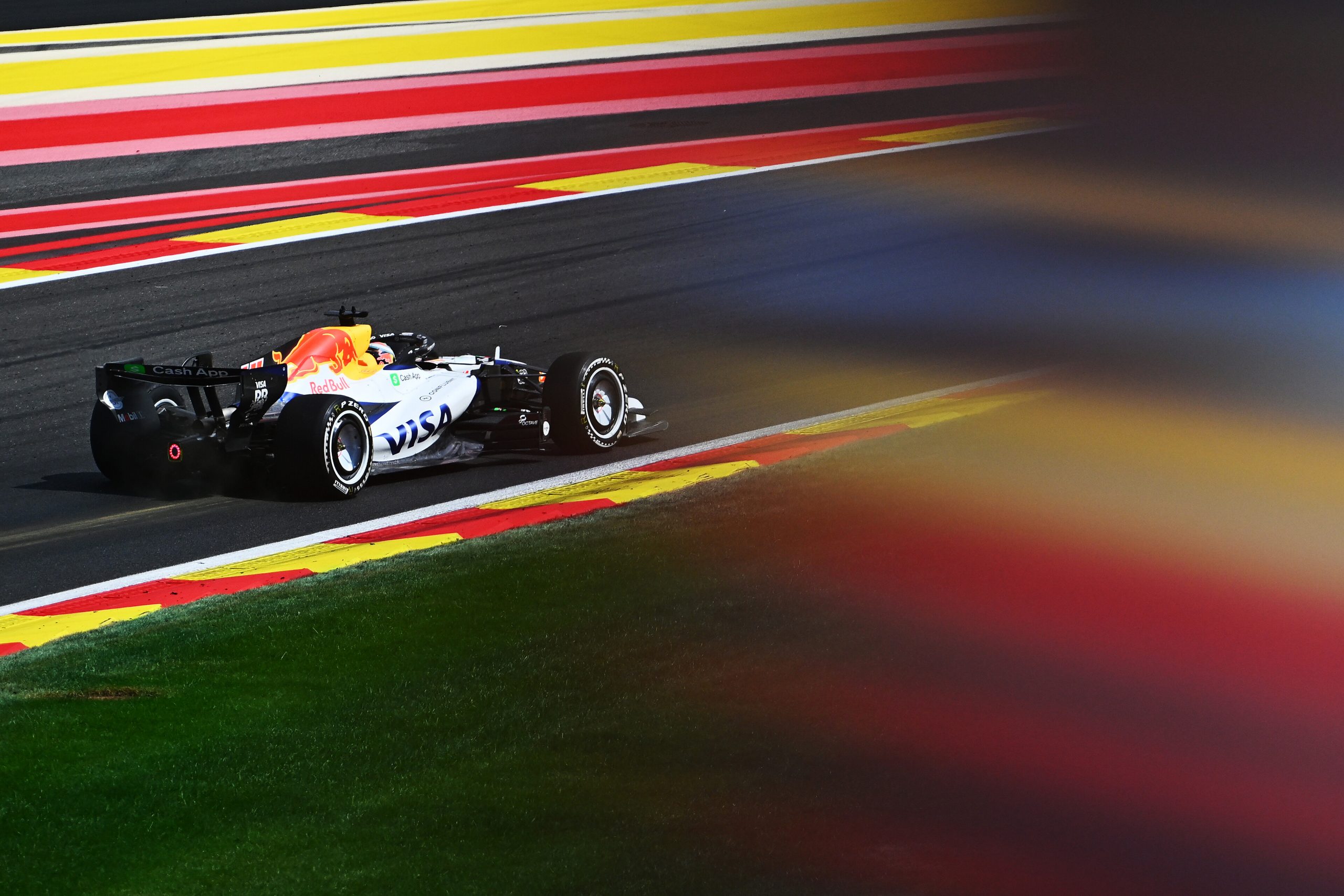
For many fans, Formula 1 is the pinnacle of motorsport — renowned for its technical innovation and nail-biting, wheel-to-wheel racing at breakneck speeds.
To ensure the sport remains relevant, its governing body, the Fédération Internationale de l’Automobile (FIA), periodically introduces major aerodynamic and technical overhauls to Formula 1 through regulation changes.
The last major cycle arrived in 2022, shifting the aerodynamic focus back to ground-effect cars. However, 2026 marks a historic pivot. It is the first regulation change since 2014 to fundamentally rewrite both the engine and aerodynamics simultaneously.
This dual overhaul aligns with Formula 1’s push for a more efficient, sustainable ruleset designed to attract new manufacturers. Crucially, it is also a direct response to growing fan criticism that modern Formula 1 has become too predictable, leaving the on-track action feeling less dynamic.
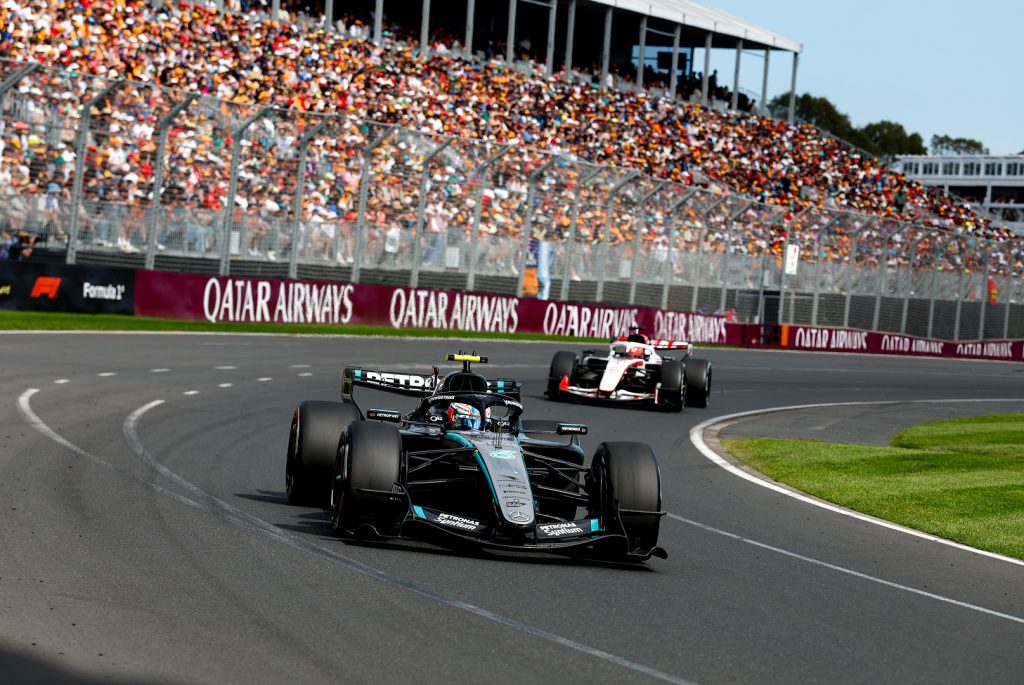
How has the racing been in Formula 1 in 2026?
The nature of the current power units forces drivers to navigate the intricacies of battery management rather than relying solely on pure engine power.
This is why we saw plenty of ‘yo-yo’ racing at the start of the season. A leading driver would be easily overtaken by the car behind, only for the roles to reverse just a few corners or laps later.
The inconsistent delivery of electrical energy has also made the cars highly unpredictable to drive. Several drivers have complained about sudden power surges in unexpected places — most notably leading to Oscar Piastri’s crash during the season opener in Australia.
The Woes of Superclipping
Then there’s “superclipping,” where the car’s hybrid system (the MGU-K) harvests energy to recharge the battery while the driver still has their foot flat on the throttle.
Given that the combustion engine and battery share a massive 50/50 power split, the system occasionally redirects power from the rear wheels at the end of long straights to recharge the battery, resulting in a drastic dip in speed.
While the FIA introduced early rule changes in 2026 to reduce how frequently this occurs, it hasn’t completely eradicated the issue. Cars can still actively decelerate even when drivers are pushing the accelerator to the floor.
Drivers like Max Verstappen and Lewis Hamilton have also voiced their frustrations, noting that the characteristics of this new generation of cars have drastically affected the driving experience on high-speed, flowing circuits like Spa and Silverstone.
Recently at Spa, Formula 1 drivers became hostages to the artificial intelligence underpinning the 2026 power units, with race results decided by computers either behaving or misbehaving.
George Russell, for example, suffered a power unit deployment problem into the Bus Stop chicane. A separate deployment issue out of La Source left the British driver swallowed by the lead pack on the Kemmel Straight during the opening lap, culminating in his race-ending collision with Lewis Hamilton.
Changes for 2027 and 2028
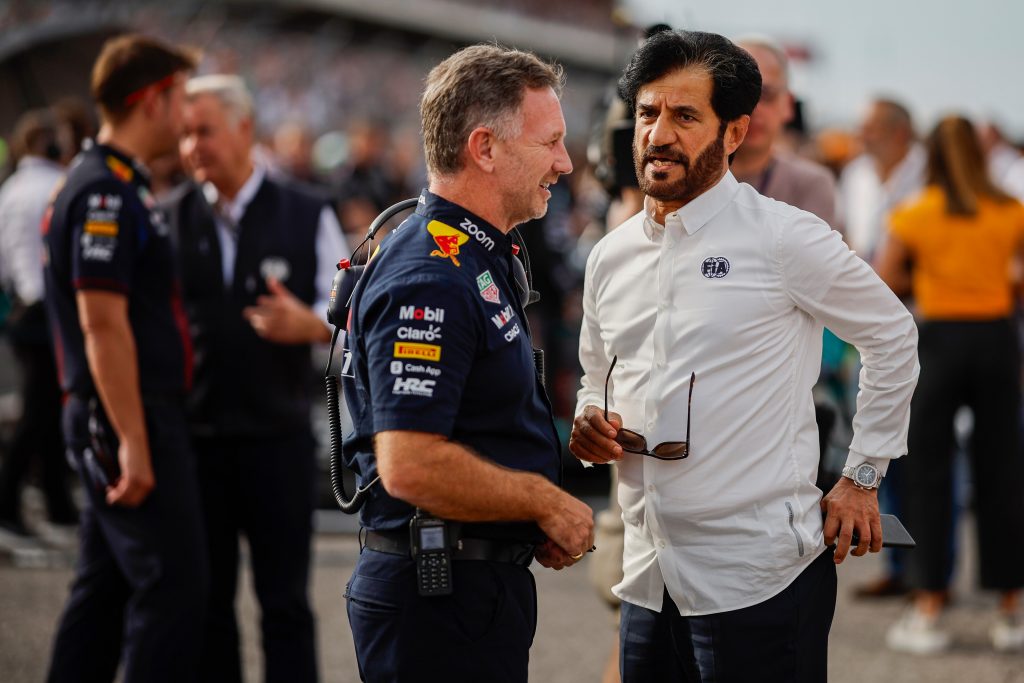
During the FIA Conference in Macau, the governing body updated the current 2026 Sporting, Technical and Financial Regulations and ratified proposed changes for the 2027 and 2028 seasons.
Regulatory changes
The FIA approved the first issue of the 2027 Technical Regulations. These updates target structural clarity and consistency, directly applying hard-learned lessons from the 2026 season.
Key approvals include:
- Extended pre-season testing: Starting in 2027, pre-season testing expands from three to four days.
- Operational tweaks: New measures streamline power unit supply, reconnaissance lap management, and race distances at specific circuits.
- Financial alignment: The cost cap regulations have been adjusted to reflect these new sporting and technical packages.
Changes to the electric and power distribution
During the opening races of the 2026 season, there were concerns over energy management, particularly at tracks like Australia. Since then, the FIA, Formula 1 Management, teams, and manufacturers agreed to several regulatory changes for 2027 and 2028.
These updates directly address ongoing energy and fuel flow issues. Most importantly, they allow drivers to push flat-out during Qualifying without compromising the wheel-to-wheel racing generated by the new regulations.
Consequently, this shift rebalances the load between the Internal Combustion Engine and the Energy Recovery System across the 2027 and 2028 seasons. It includes targeted adjustments to engine output, fuel flow, and energy deployment, alongside greater flexibility in energy management.
Internal Combustion Engine
| 2026 | 2027 | 2028 | |
| Max power | 400kW | 420kW | 450kW |
| Fuel flow increase | 5% | 13% |
MGU – K (Motor Generator Unit – Kinetic)
| 2026 | 2027 | 2028 | |
| Max power | 350kW | 300kW | 300kW |
| Max power Overtake Mode | 350kW | 350kW | 350kW |
| Max harvesting power | 350kW | 375kW | 400kW |
| Power split ICE/MGU-K | 53/47 | 58/42 | 60/40 |
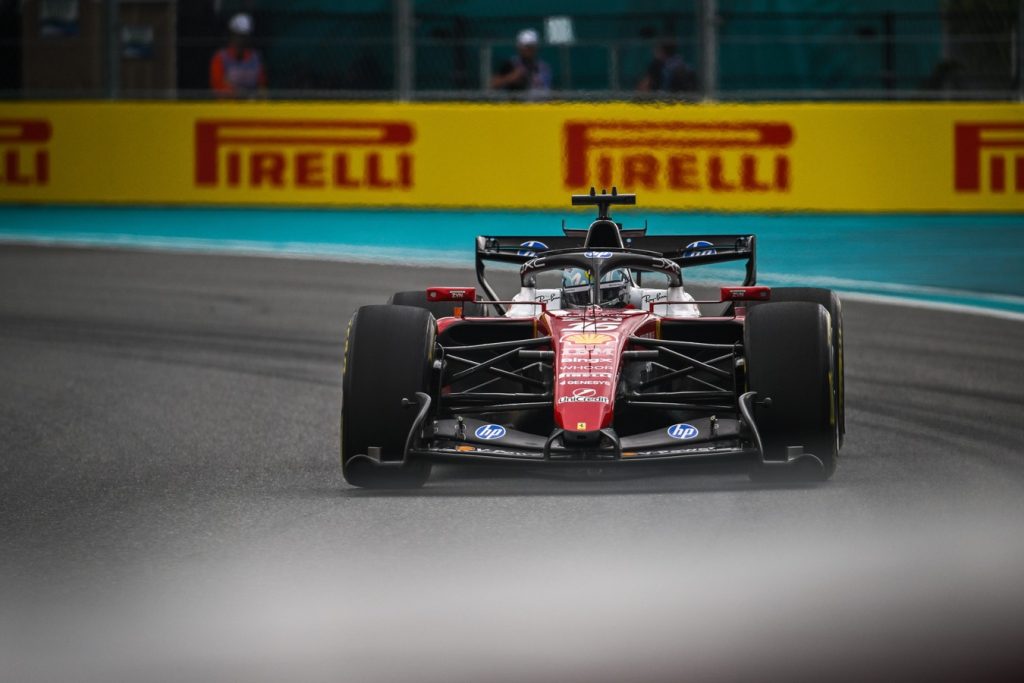
What do these changes mean for Formula 1 in 2027 and 2028?
The changes for 2027 and 2028 have a common goal. They allow drivers to run more flat-out in qualifying and have a better speed profile down the straights.
Team simulation data from The Race hints at the expected on-track impact. Using three different circuit at the extremes of energy usages (energy-starved Albert Park, mid-range Barcelona, and energy-rich Shanghai), we get a picture of how the different simulations look.
In short, cars will be faster down the straights. They can also maintain their top speed for longer. By 2028, this will deliver significantly better laptimes.
Across all three tracks, a notable step change for 2028 emerges. The data shows cars lapping around three seconds quicker. At some circuits, they are up to four seconds faster.
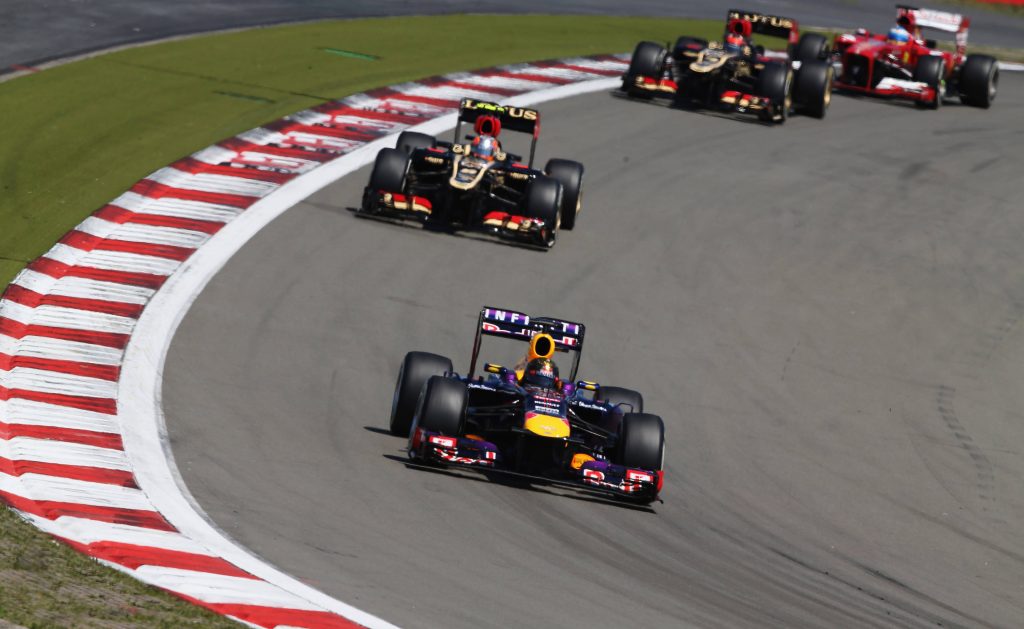
Big changes coming in the next regulation cycle
In a bid to return Formula 1 to its golden era, the FIA and Formula 1 Management plan to bring back V8 engines.
For many fans, the 2014 shift to V6 turbo-hybrids stripped away the sport’s core identity.
At its peak, the V8 era delivered some of the most fiercely competitive seasons in modern history: Kimi Räikkönen’s 2007 title by a single point, Lewis Hamilton’s dramatic 2008 last-lap title victory, and Sebastian Vettel’s dominant Red Bull run.
For an entire generation of fans, the V8 is exactly what Formula 1 is supposed to look and sound like.
The FIA and Formula 1 Management are also clear that the current turbo-hybrids belong in history because they are too expensive and overly complicated.
But the desire to bring back the V8 raises two questions: Why now, and what does a realistic plan look like?
The Plan
By 2031, the FIA will have a blank canvas for new regulations. Yet, the devil remains in the details.
During the British Grand Prix, select media including The Race gained insights into key developments that could alter the nature of Formula 1.
One emerging idea involves a guaranteed independent engine supply that would help customers escape the influence of power unit manufacters.
Specifically, the FIA plans to appoint an independent manufacturer — like Cosworth — to provide an off-the-shelf, cost-effective V8 that any team can buy.
Its impact on Formula 1
Shattering the ‘B Team’ celling
Currently, customer teams purchase their power unit from major manufacturers like Mercedes or Ferrari.
This creates an entrenched dynamic where factory constructors dictate terms, engine packaging — giving rise to the designation of ‘A teams’ and ‘B teams’.
An off-the-shelf, FIA-regulated engine breaks this ceiling. FIA President Ben Sulayem believes this move will end the authority carmakers hold over their partner teams.
“There will be no control over the teams, A team over the B team, that’s supplied with their engines.” — FIA President Ben Sulayem
Furthermore, Ben Sulayem stated this independent engine would empower indepedent teams.
“It will be an FIA-selected engine that would be allowed to the teams. Then we control the neutrality, we control the power and the money. We cannot just give it away and say go and do it to X, Y, Z. Prices might go up and down, but the FIA will always be the judge.” — FIA President Ben Sulayem
He also noted the benefits of lowering engine production costs. If costs drop, current big squads might build power units themselves.
However, the FIA President left some questions unanswered. He did not explain how this affects closely aligned teams like Red Bull and Racing Bulls. Still, he hinted the entire co-ownership dynamic could change.
Redirecting Development Budgets
According to the FIA President, the proposed V8s aim to cut R&D costs by around 50%.
Simpler engines will also be much lighter, allowing teams to finally discard heavy battery packs and complex energy recovery systems.
With a plug-and-play, neutral engine, independent teams can redirect their budgets entirely into aerodynamics and chassis design.
The best part? Teams no longer need to compromise their car designs to accommodate the restrictive architecture dictated by a factory team’s aerodynamic philosophy.
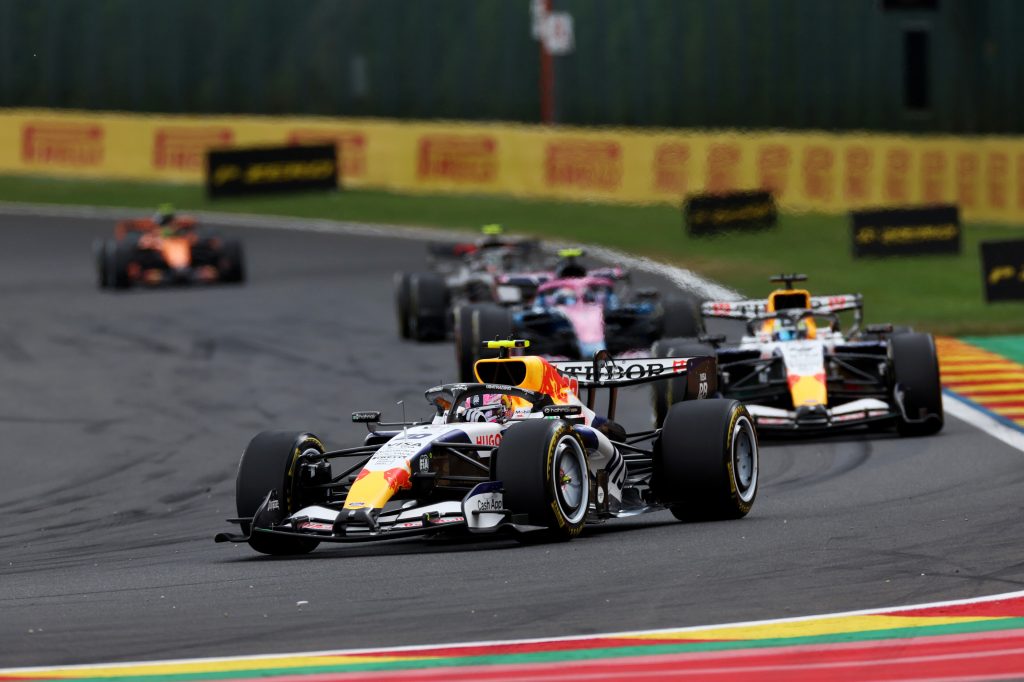
The split between petrol and electric in Formula 1’s proposed V8 era
Let’s face it: Formula 1’s notional 50/50 power split completely backfired. Consequently, the V8 era ratio shift will exceed the 60/40 rebalancing planned for 2028.
The new generation of engines will still feature a hybrid element, but it will be nowhere near as powerful as current systems. The battery power ratio will likely sit in the low double digits as a percentage.
Ultimately, some form of electrification is still necessary to keep power unit manufacturers committed to the sport.
Turbo or no turbo?
Another question is whether the incoming V8s will be naturally aspirated or feature turbos.
Ben Sulayem suggested that discussions on the technical specifics will likely head towards giving manufacturers a choice between a hybrid element or turbos.
The return of refuelling
One of the major downsides if Formula 1 moves towards a naturally aspirated V8 is that cars will require significantly more fuel to complete a race distance.
The undeniable upside of the highly efficient turbo V6s — a staple of the sport since 2014 — is that they completely eliminate the need for mid-race refuelling.
Some argue there is little point in cutting 100kg from the chassis if the engine rules simply force teams to carry that exact same mass in a massive fuel tank.
Then there’s the glaring safety issue. Think back to the catastrophic incident during the inaugural Singapore Grand Prix in 2008, where a pit-stop error led Felipe Massa to drive down the pit lane with the heavy refuelling hose still attached to his Ferrari.
Recognising these dilemmas, the FIA has commissioned a study to evaluate the pros and cons of bringing refuelling back.
Elements under review include the impact refuelling has on the racing itself, as well as the financial toll on team budgets — with early estimates suggesting the required equipment and freight could cost each team around US$4 million per year.
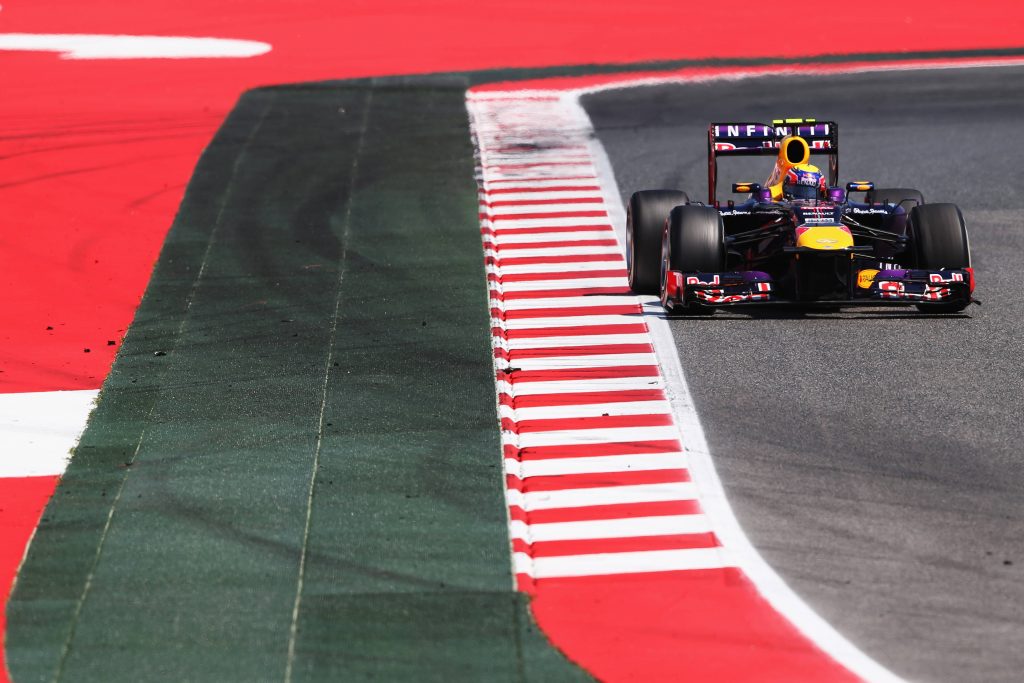
So, should Formula 1 return to the V8s?
The plan to return to V8s with a hybrid element is an intriguing proposal, but it might be too late to reverse the damage to the sport.
The shift towards a 50/50 power split has already alienated drivers like Max Verstappen, pushing them to consider leaving. Even if Formula 1 returns to its roots in the next regulation cycle, major improvements are still several years away.
Appointing an independent manufacturer to provide an off-the-shelf, cost-effective engine also risks turning Formula 1 into a spec series. It strips away the technical engineering warfare that defines the championship, reducing the competitive advantage of building a brilliantly integrated, bespoke power unit.
That said, Formula 1 must stay relevant as competition intensifies. New motorsport fans have never had more choices.
With rising alternatives from Formula E and IndyCar to the World Endurance Championship and the World Rally Championship, the pinnacle of motorsport needs to rekindle its magic. It must bridge the gap between older and newer fans to ensure long-term, sustainable interest.
**
Formula 1 returns on the 23rd August in Zandvoort for the Dutch Grand Prix.
Featured Image: Red Bull Content Pool